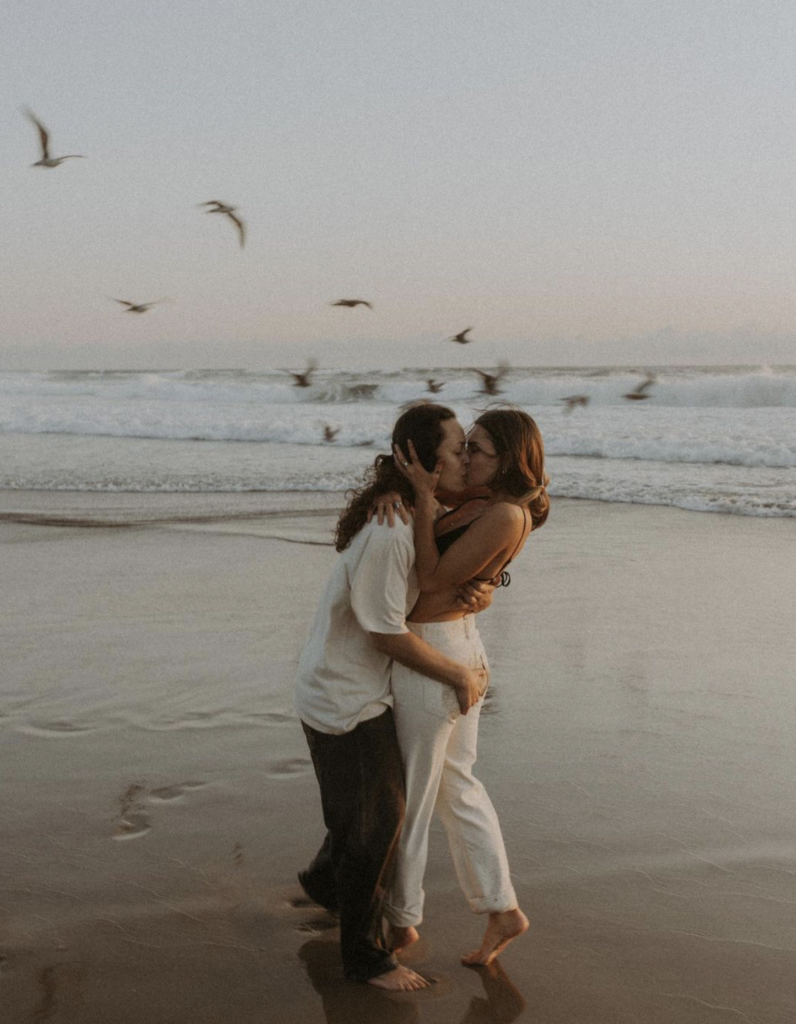
Advice for Beginner Photographers

Breaking into any industry is a terrifying endeavour, but when you’ve had to learn on the job and may not have had any formal education in your field, the task can feel impossible. As a new photographer, I’ve often felt the effects of imposter syndrome and wondered when – or if – those feelings would ever go away. In an article for the New Yorker, Jill Stoddard writes, “We worry the most where we care.” That is to say, if you’re feeling like you’re not good enough or don’t deserve to be here, it’s probably because you care a whole lot about doing something well. I’ve been working on building my confidence as a photographer this year, and here’s some of what I’ve learned along the way that’s helped me get closer to finding my place in this industry.
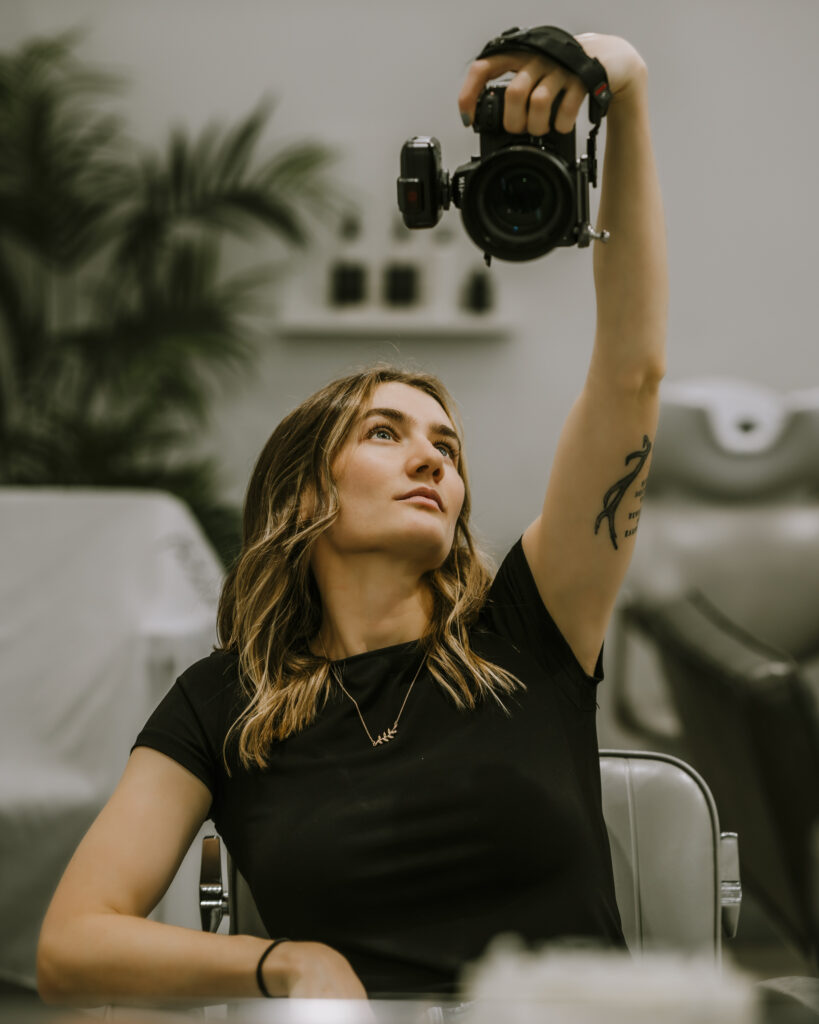
Photo of Author.
  1. Fake it ‘til you make it. Or, in other words, build your brand

Building your online portfolio can go a long way toward making you feel like you’ve earned your job title. It’s hard to discredit your own skill when the fruits of your labour are right there on your Instagram page. If you’re not ready to start offering sessions to clients, you can opt to do content days with other photographers or models looking to collaborate without any kind of monetary exchange. Alternatively, getting your friends and family to model for styled shoots is a great low-stress way to build your portfolio.
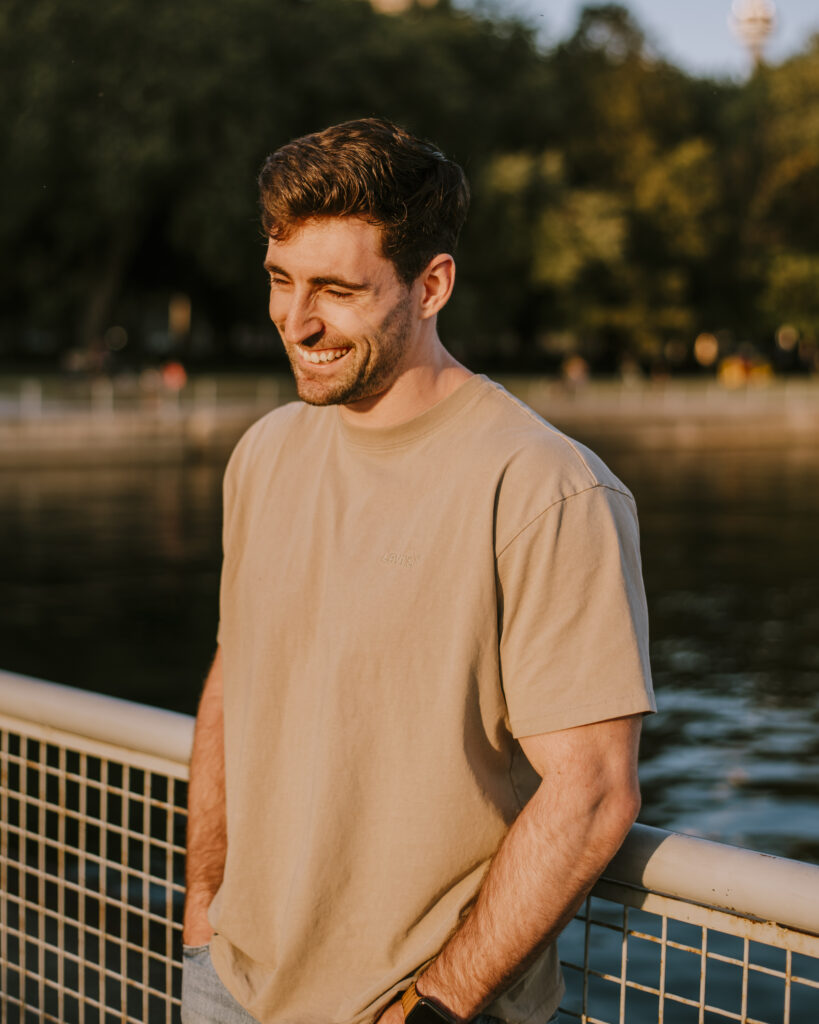
Photo by Author.

And don’t forget about engagement! A few minutes a day of interacting with your followers and other photographers can go a long way toward networking and building your client base. People want to work with someone that’s outgoing and friendly. Remember, clients see your online persona as a direct reflection of who you are as a photographer, so don’t be afraid to show off your fantastic personality!

  1. Know your worth

This has been a big one for me, and it’s not an easy thing to navigate. While I do believe that it can be extremely useful to offer free shoots to friends or even strangers when you’re starting out, it’s important to set limits for yourself. Be careful not to let people take advantage of you and your time. Your time and effort are worth something, and you deserve to be compensated for your work. 

Once you’ve got a few sessions under your belt, it’s completely reasonable to start charging for shoots. If you’re still unsure, start low. You can always raise your prices later. I’d recommend joining a facebook group for photographers in your area (most cities have them), and asking around to see what other photographers’ rates are. 
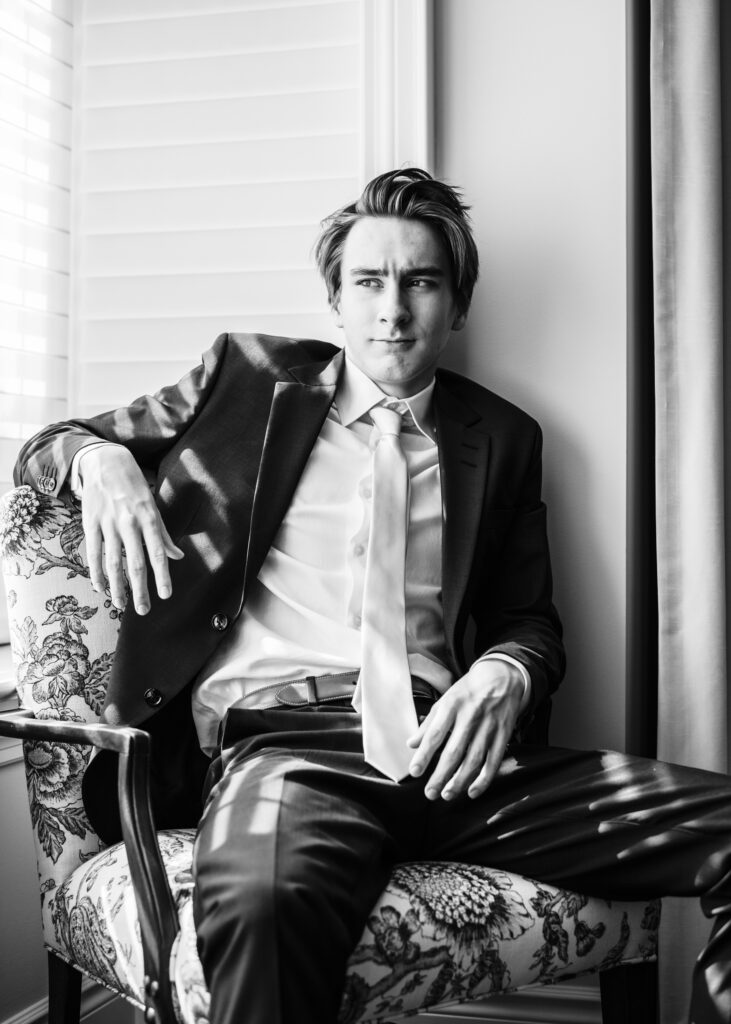
Photo by Author.
  1. Your gear is the least impressive thing about you

When I was first learning photography, I thought that I needed a bunch of high-end lenses and gear so that I could take great photos. I’ve since learned that some of my best work has come from improvising when I don’t have all the equipment I want on hand. If you don’t have a speedlight, you can use a flashlight (okay, this only works sometimes). If you don’t have coloured gels for your lighting, use cellophane. And if you don’t have light stands, clamps, or backdrops, hit the dollar store for some duct tape and a white table cloth, and make the setup yourself. 
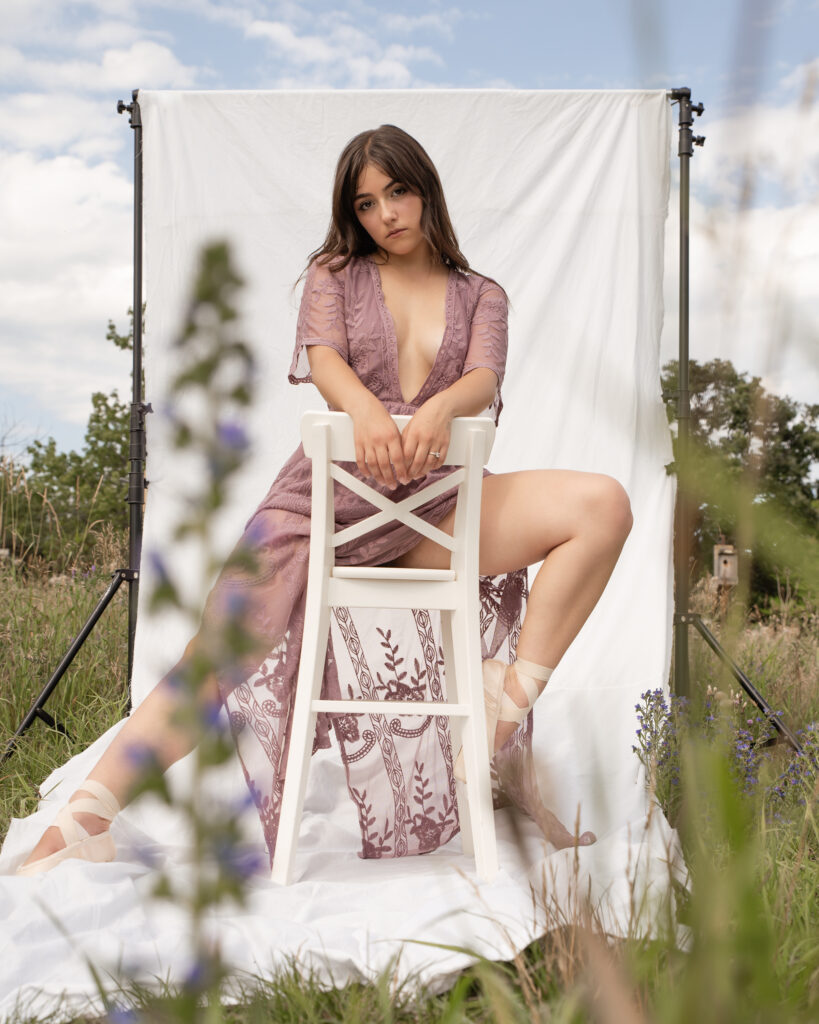
Photo by Author.

They say that the best camera is the one you have on you, and it’s true. The most important thing you can do as a new photographer is practice. Hone your skills and master the settings on the camera you have, and the confidence and accolades will follow in due time. You’ve got this!
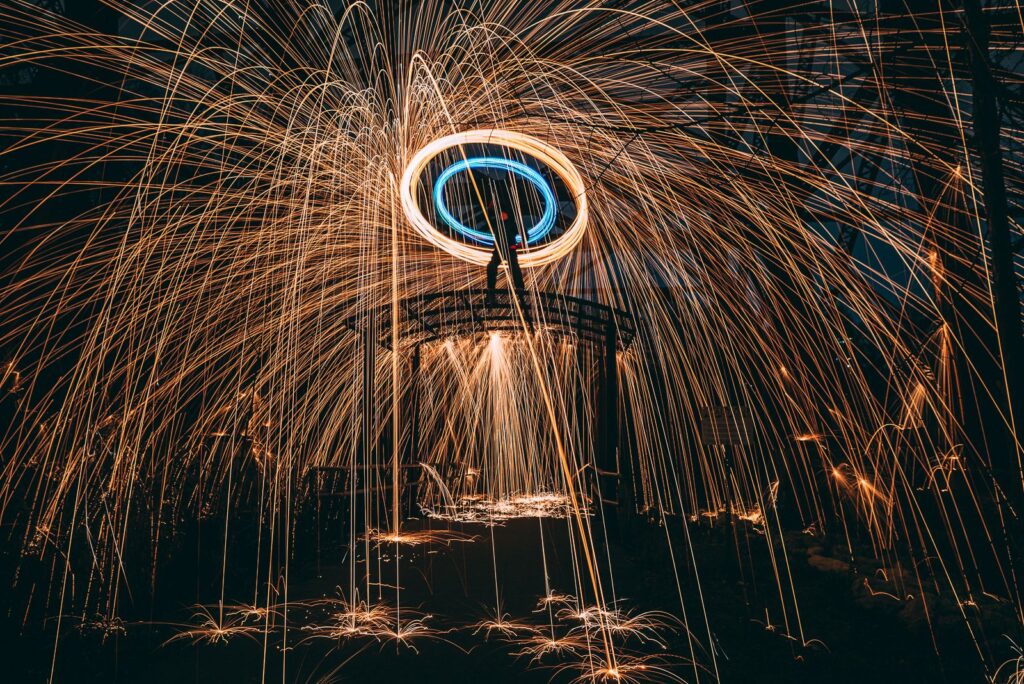
Long Exposure Techniques to Enhance Your Photography

A man stand s above a metal bridge spraying sparks of steel wool in a spiral around him.
Photo by Anne Frazer, shared with photographer’s permission.

Night Sky Photography

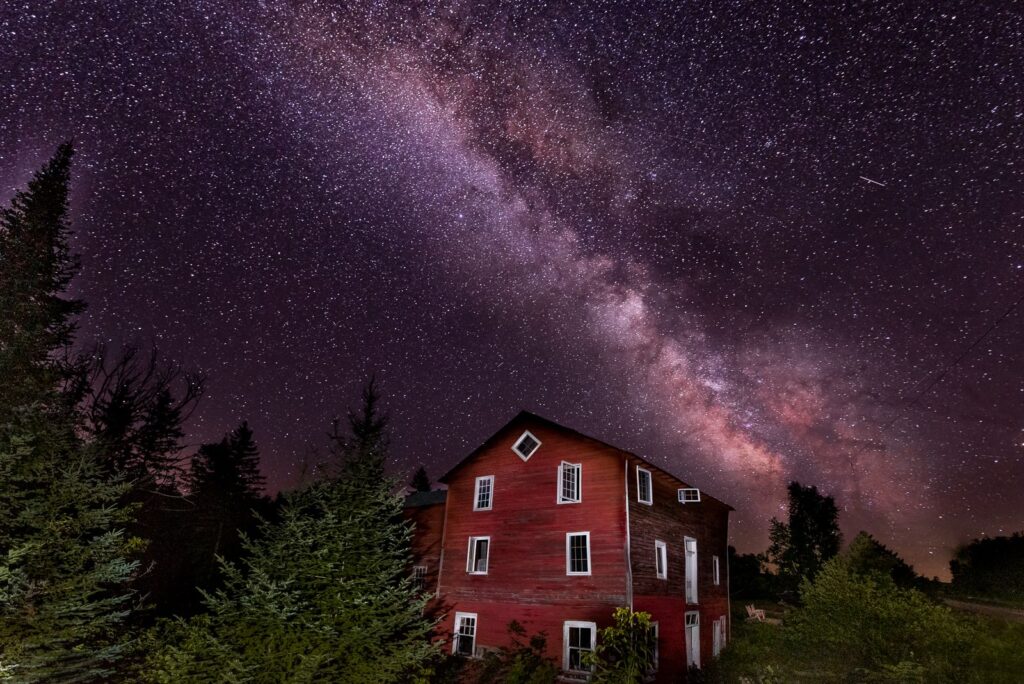
Most of the techniques I’ll be talking about in this post can be classified as long exposure, but night sky photography is my absolute favourite of them all. It’s always amazing to be able to see the stars on a clear night in the country, but it’s nearly impossible to capture with your iPhone camera. Luckily, if you’ve got a DSLR or mirrorless camera and a sky mapping app, I can help you get a jaw-dropping shot of the Milky Way or your favourite constellations. 

An old red wooden building surrounded by trees, beneath the night sky full of stars
Photo by Author.

The trickiest part of photographing the night sky is that what we see with the human eye is never going to be able to match what your camera will capture for you (if you know what settings to use). For this, I recommend downloading an app like Stellarium that uses GPS to map the sky wherever you are. I tend to aim for the Milky Way when I can, because the light and colours it produces are incredible. 

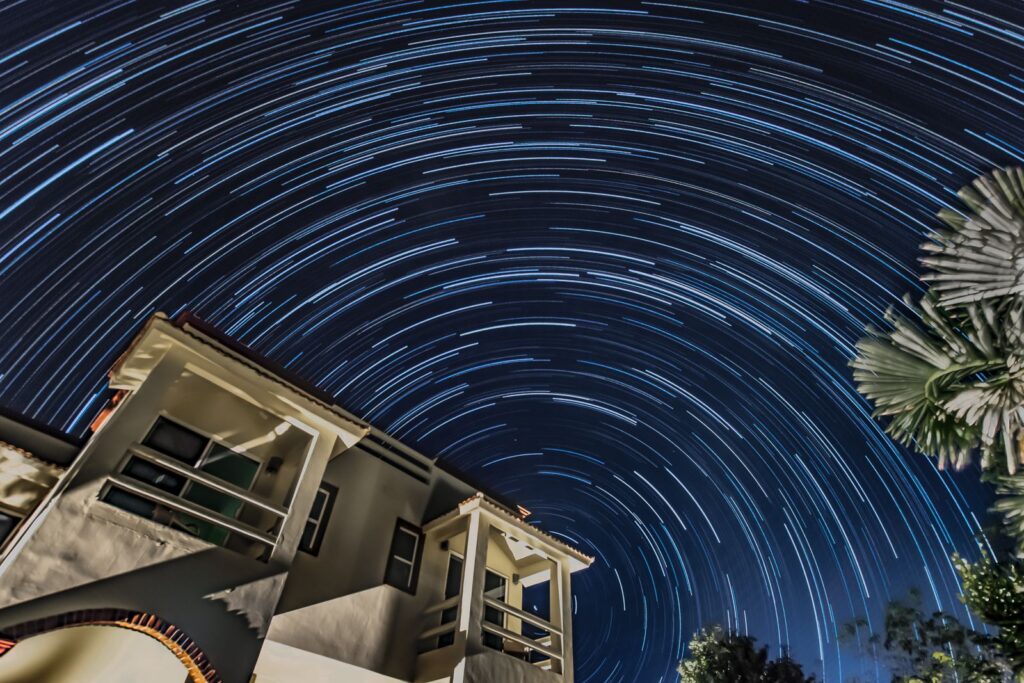
star trails in the night sky over a white stucco villa.
Photo by Anne Frazer, shared with the photographer’s permission.

Another must is a tripod. There simply is no way to hold your camera still enough to do long exposure photography without one, even if you have hands as steady as a surgeon. If you don’t have a tripod, you’ll have to find a way to prop up your camera on a stable surface. It helps if you set a timer, too. That way, your camera won’t vibrate when you press the shutter.

I’d also recommend using your widest lens for this. If you’ve got a lens with a focal length of 10mm or 20mm, that will be your best bet for this kind of shot. Anything longer than a 24mm lens is going to make it difficult if you have any sort of subject in the foreground, like a building or landscape that you want in your shot. 

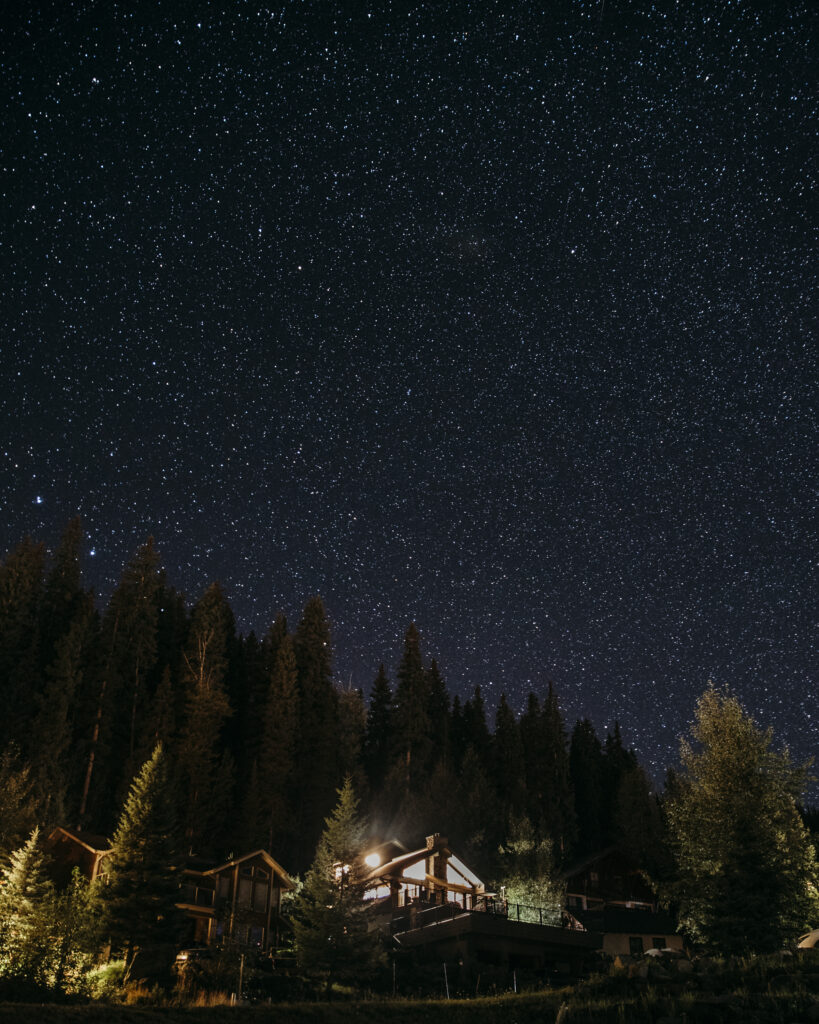
The night sky, full of stars, above a forest and a cabin lit from within in the foreground.
Photo by Author.

For these photos, I typically shoot at f/2.8 for 30 seconds, with an ISO of around 1600. Your ISO will really just depend on the amount of ambient light in your scene, so don’t feel obligated to stick to 1600. Depending on your camera and the conditions you’re shooting in, these settings might change. My only advice would be to try to keep your shutter speed at the longest setting possible, and decrease your ISO if the shot is too bright, since a lower ISO will help with noise reduction. 

Light Painting

Although the results of light painting photography can be just as impressive as night sky photography, I’ve ranked it as my second favourite type of long exposure shot purely because it’s just so hard to get right. As always, the photos make light painting look really fun and interesting, and my hope is that these tips will ensure you have some fun creating your own!

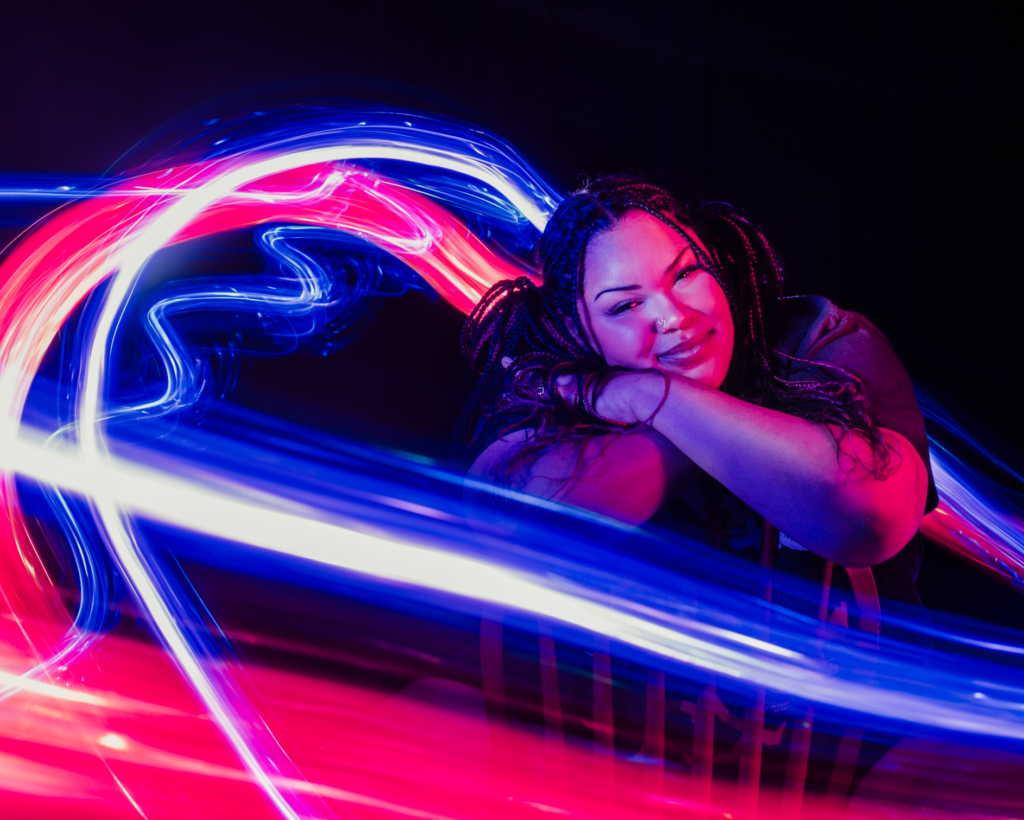
Photo by Author.

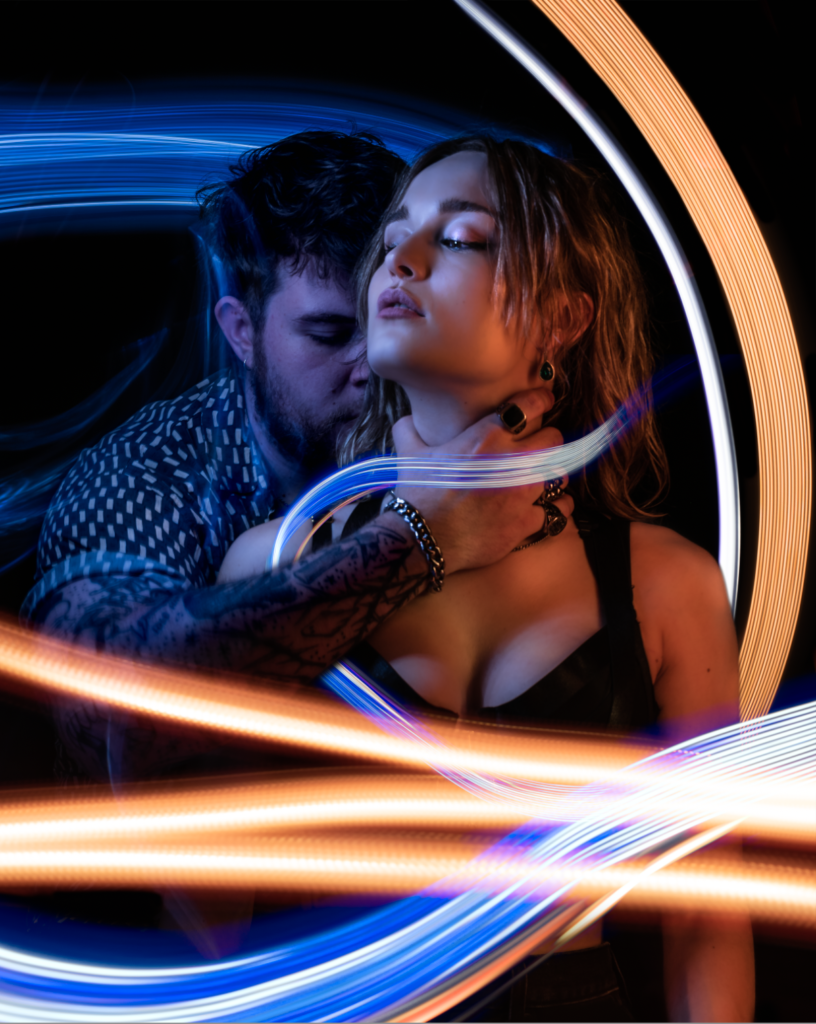
All you really need for a light painting session is your camera, a tripod, a dark room, and any light source you have on hand. I often just use flashlights I have around the house, and cover them with coloured cellophane from the dollar store. You can buy LED light kits specifically designed for light painting, but unless you’re going to do this all the time, I suggest you skip the fancy lighting and save your money for a new lens instead. 

Photo by Author

Unlike with night sky photos, you can pretty much use whichever lens you like for light painting, as long as you’ve got enough room between your tripod and your subject to allow you to move around and between them. Light painting requires a lot of darkness, so the last thing we want is anyone tripping over a tripod leg trying to get a good shot. 

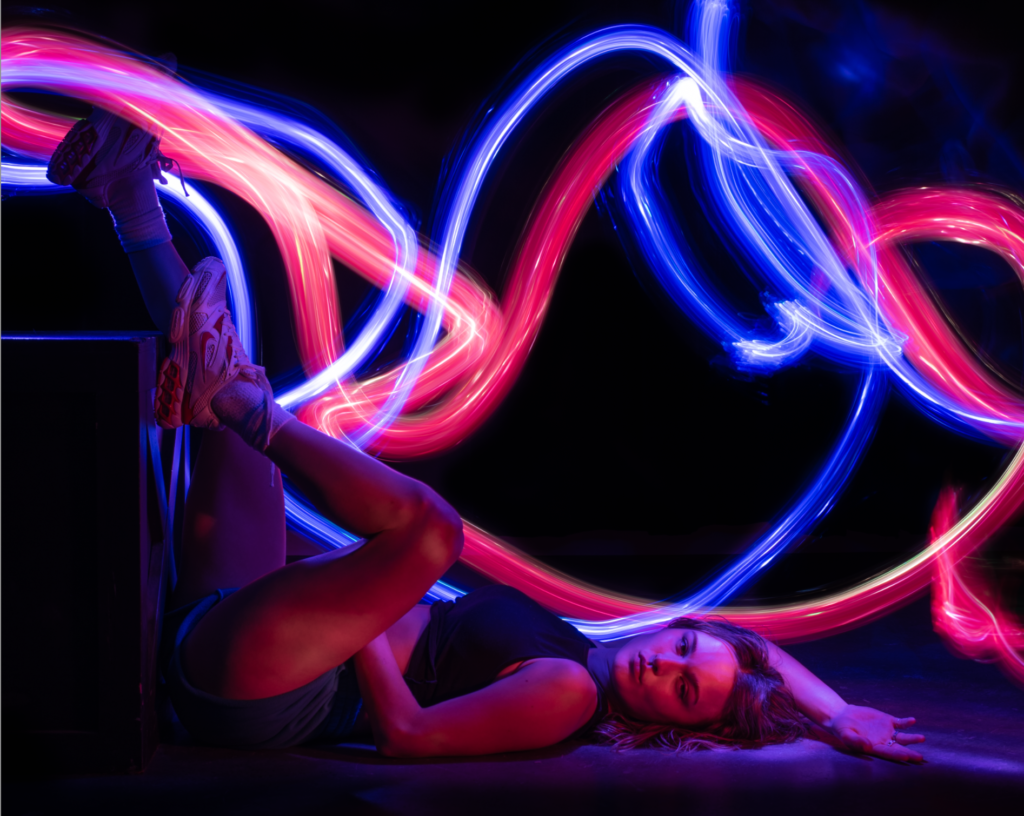
Photo by Author.

For these photos, I used a 50mm lens at f/9-f/11, ISO 100, and 15-20 second exposures. This whole project took a lot of trial and error, so don’t forget to be patient with yourself (and your model) if the photos aren’t perfect on the first try. Asking someone to stay completely still for 20 seconds might not sound like a big ask, but keep in mind that people twitch and shake just a little bit without realising, and those tiny movements can be enough to blur their portrait. My best advice is to practise, practise, practise – and to practise on objects before you try light painting portraits of people. 

Panning

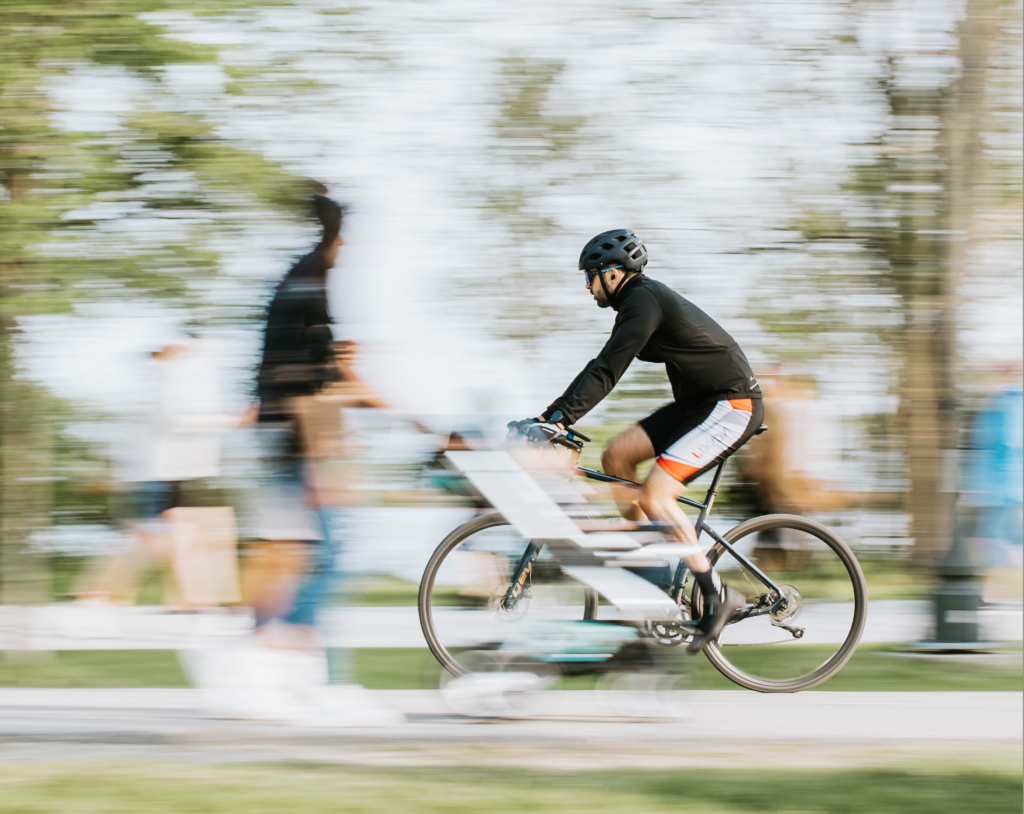
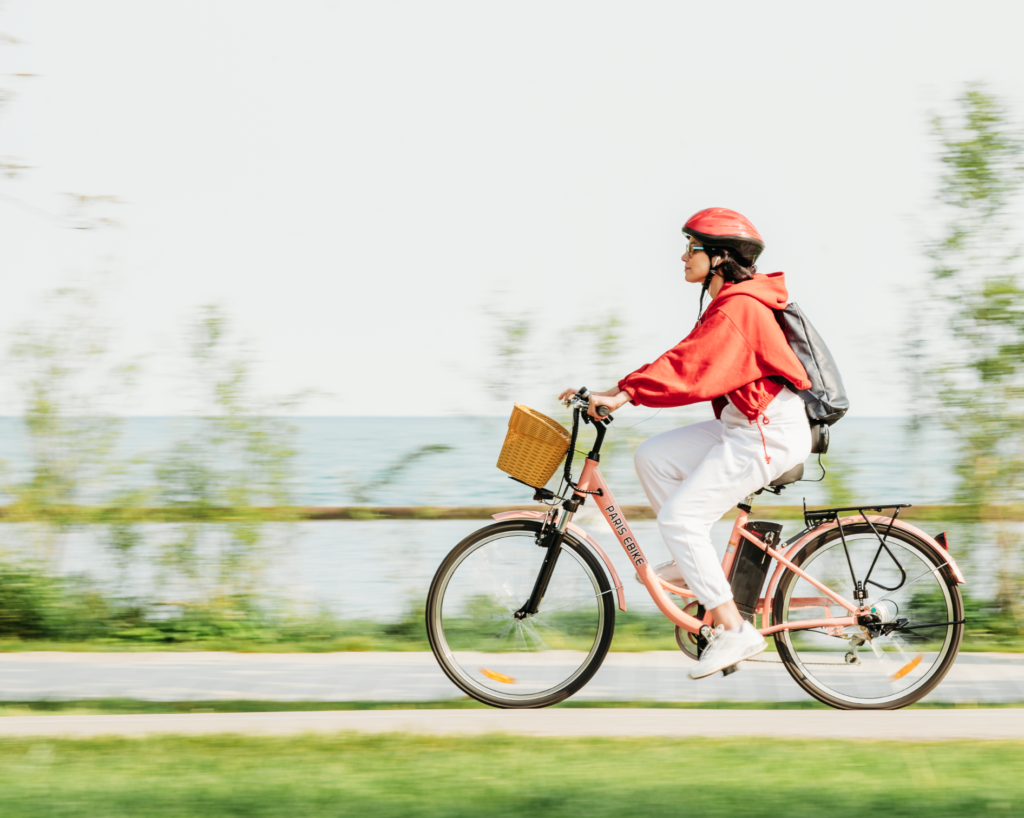
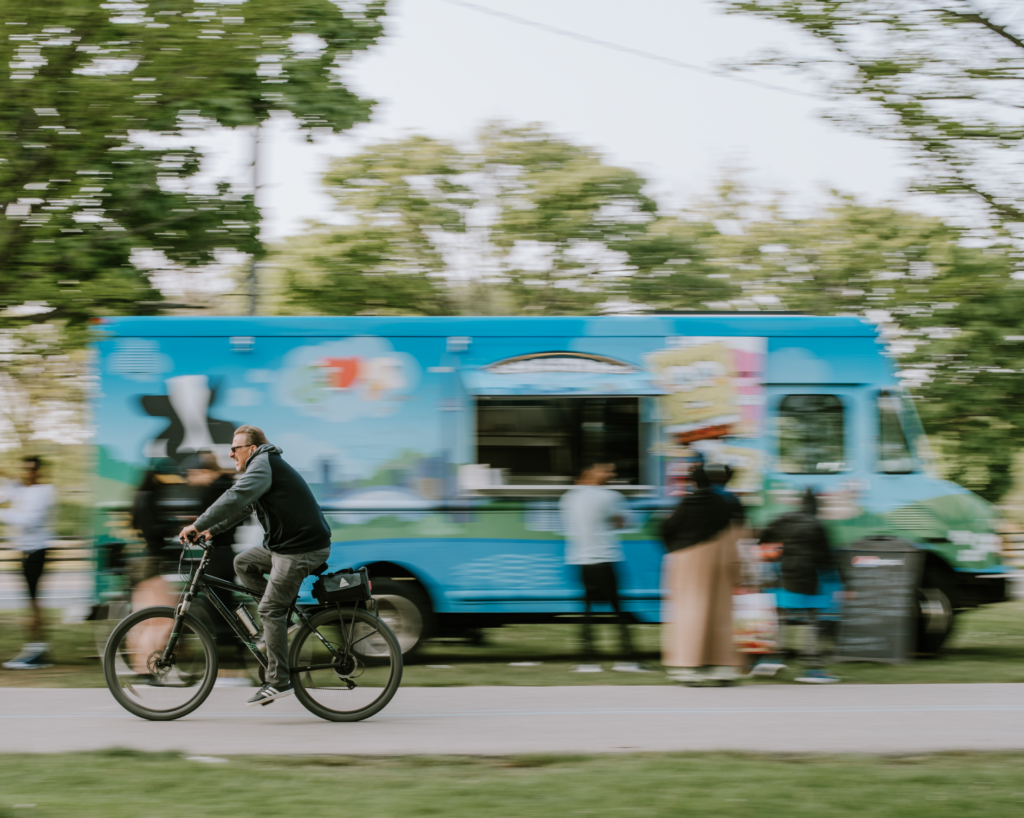
Panning is the easiest of the three techniques on this list, and not just because you can actually do it in daylight. The cool thing about panning is that you don’t need a tripod, and you don’t need to ask your subject to stay perfectly still. Panning is all about movement.

Photo by Author.

For a good panning shot, you want to make sure your shutter speed is long enough to capture motion blur, but fast enough to capture the detail in your moving target. Your body essentially acts as a swivel. Keep your elbows tucked into your body to stabilise your camera, and pivot your torso to track your subject. Panning shots are easiest to learn on slower subjects. As cool as it is to catch a shot of a race car zooming by, you’ll be able to learn better by shooting cyclists, joggers or even a cute dog at the park. 

Photo by Author

For these shots, my camera was set to f/9, ISO 100, and a shutter speed of 1/40. I used a 70-200mm lens, and though any lens will work, longer lenses are ideal for this kind of shot.

Photo by Author.

Ultimately, each of these techniques are going to require a lot of trial and error (and a lot of patience), but the results will certainly be worth it. Once you’ve got it figured out, try one of these techniques with your clients. Imagine the addition a beautiful starry night sky photo will make to a client’s wedding gallery!

Photographers and AI – Oil and Water, or a Match Made in Photoshop Heaven?

In recent years, there’s been lots of talk about the potential – and possible danger – of artificial intelligence. Most people fall into one of two camps; those who are excited about the ways AI could make life easier for humans, and those who fear its ever-evolving capabilities. Will it replace humans in tech jobs? Will it compromise our security? Those are questions I can’t answer. What I do know, at this point in time, is that AI isn’t going away any time soon. 

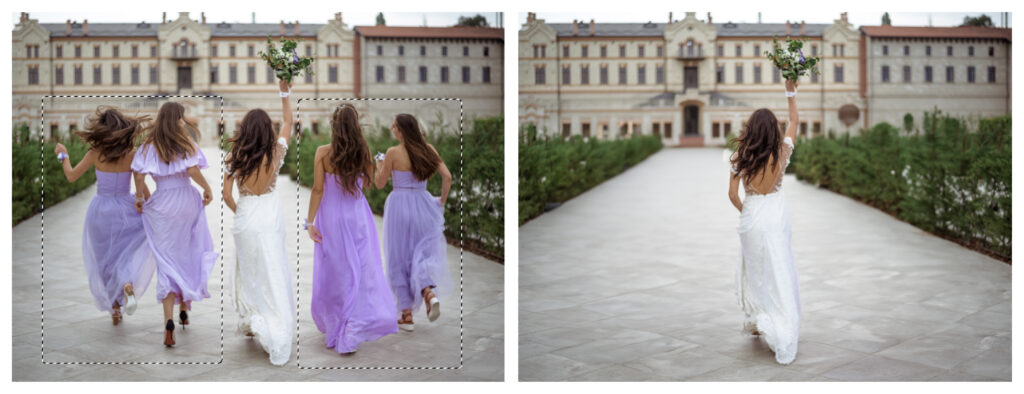
one image of a bride and four bridesmaids walking down a stone path. A second image of the same scene, but with the bridesmaids removed from the photo.
Photo from Adobe

Photographers and AI

As the technology becomes more widely used, especially in art and design fields, it has become clearer that there are both pros and cons to using AI. The key, it seems, is to learn how to use it to supplement your own skill and creativity, without relying on it too heavily. 

Earlier this year, Adobe rolled out a beta version of Photoshop with generative AI capabilities. Almost immediately, photographers and tech reviewers took to the internet to test-drive the program and share their initial thoughts with their followers. Overwhelmingly, the pros agreed that it was a game changer, but not always consistent. 

The Not-So-Good News

The generated images were pretty hit and miss, and it could take a couple tries to get the results you want. Things like hands and feet often come out looking pretty wonky, but if you ask the program to replace your dull field and grey sky with a mountain range and sunset, you might just get a beautiful photo. 

The experts are warning, however, that photographers may run into problems legally if they’re using generative fill for any kind of work they intend to sell. The technology works by sourcing imagery from the internet. That means that any elements that Photoshop adds to your image was once part of someone else’s. So if you’re looking to avoid being sued for copyright infringement, maybe the beta program isn’t the best tool for you. 

The Good News

As far as I can predict, AI is never going to put wedding photographers out of business. Sure, technology may be able to conjure up a photo of you and your partner in a tux and gown, but it wouldn’t be real. People are always going to want the big things in life to be captured authentically. Your family photos may not be in a physical scrapbook these days, but even digitally, they’re still photos of your family – not a Frankensteined collage of body parts slapped together by a computer program. 

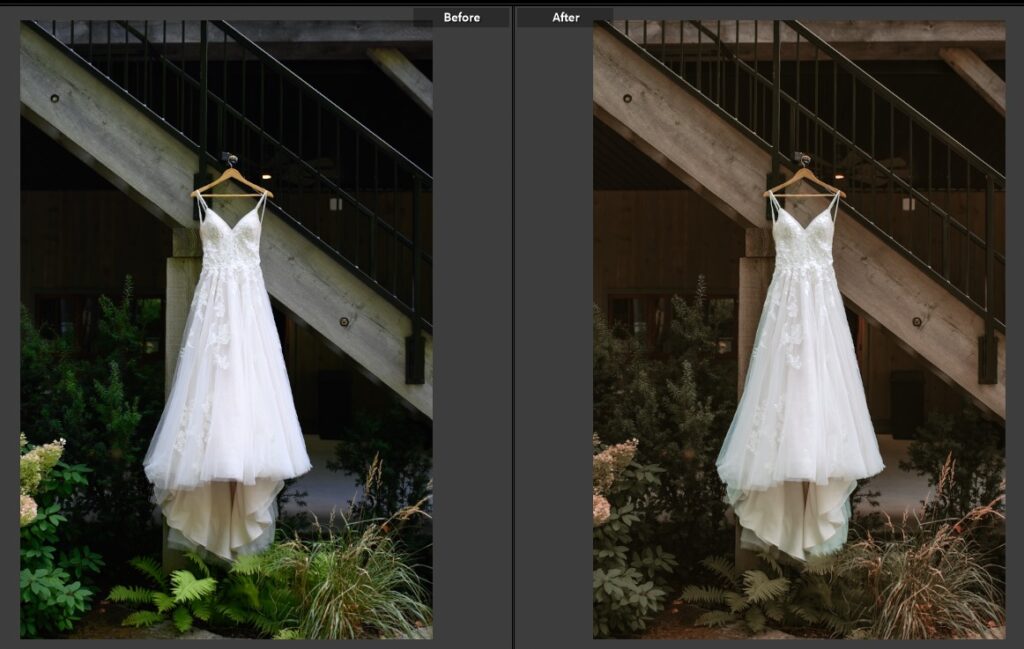
So maybe we don’t need to be afraid of losing our jobs to AI. Maybe, we just need to learn to coexist with it, because not all AI is the same. Photographers like Sven Malojlo have released preset packs for Lightroom and Adobe Camera Raw that make use of AI. Malojlo’s Honey Hue preset pack comes with 48 AI masks. The technology recognizes things like backgrounds, skies, and individual people and their features, so that you can adjust specific aspects of your photos without disturbing the rest of the image.

Two side-by-side images of a wedding dress hanging from a railing. The left photo is unedited, and the right photo has warm tones added to the background.
Before and after applying Honey Hue AI mask to background. Photo by Anne Frazer, shared with permission.

Personally, I see AI as a tool to be used to enhance art, rather than as a tool to make it for us. For now, I suggest checking out preset packs with AI toolkits, like the Honey Hue pack, instead of asking the Photoshop beta to put a mountain range in the photo you took in a park. Because let’s face it, you’re already making beautiful art, and your clients will always appreciate the authentic experiences you capture for them!

Five Photographers that (Almost) Make Me Want to Switch Career Paths

In my last post, I compiled a list of my favourite portrait photographers to help you up your photography game for the next time you’re photographing people. This time, I’m breaking down a list of my favourite non-portrait photographers from landscape and wildlife, to sports photography. 

  1. Andrew Studer – Landscape & Wildlife 
Photo by Andrew Studer. Source: @andrew.studer on Instagram

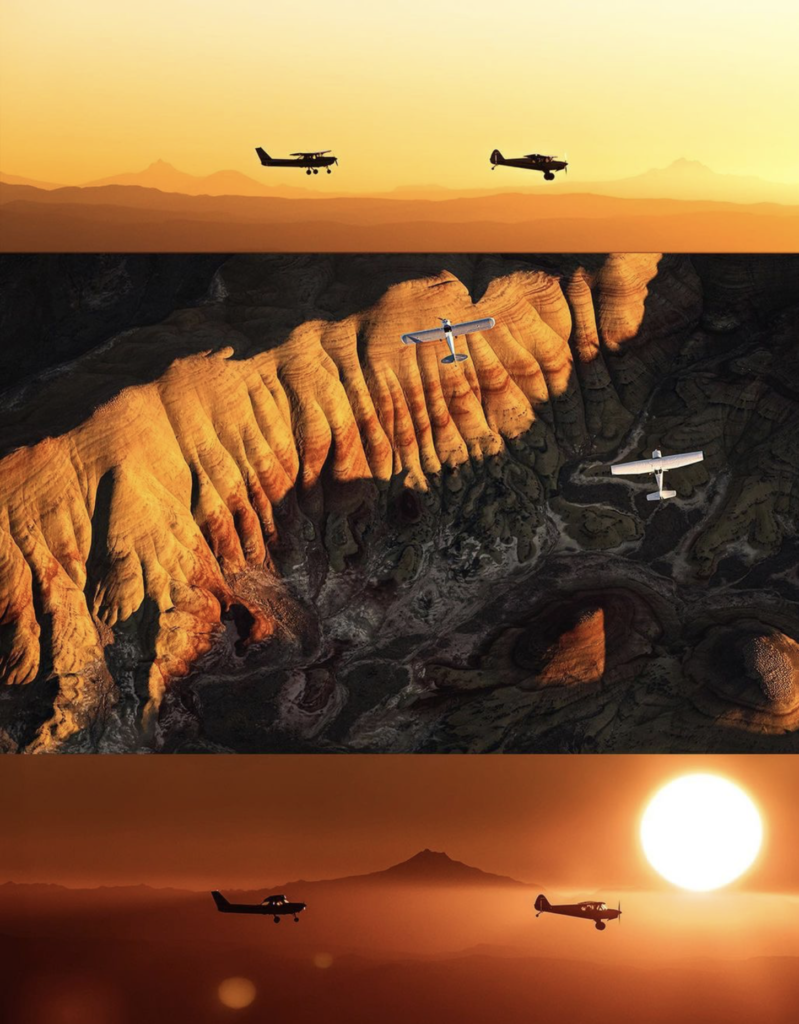
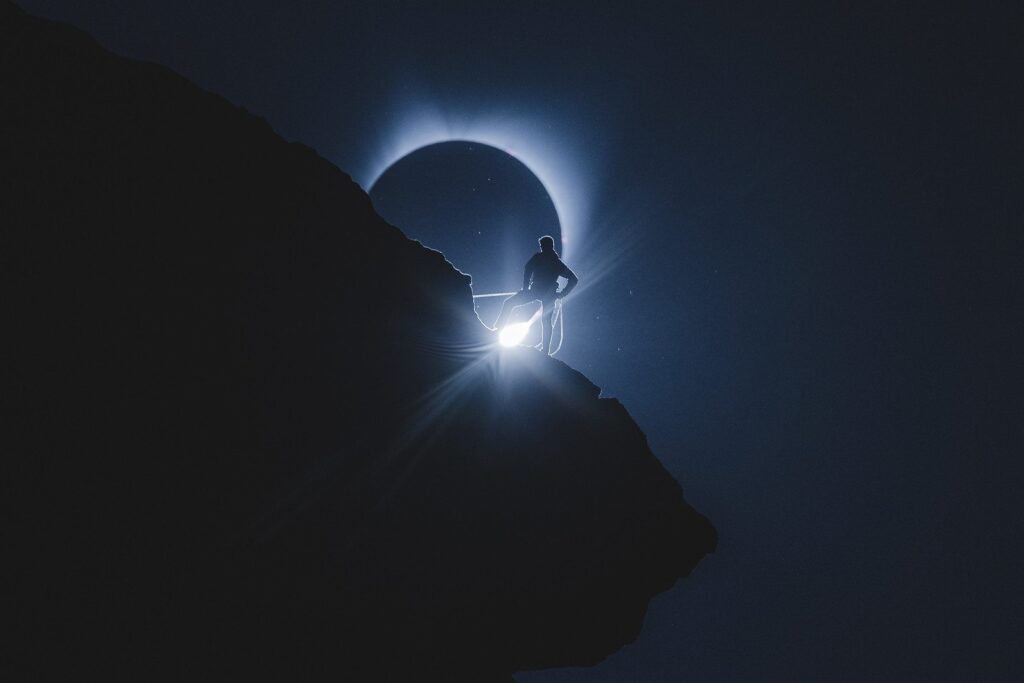
All I can really say about Andrew Studer is that this guy is incredible. There’s a reason his work has been featured in projects for National Geographic. His photography is seriously out of this world (and yet completely in it). The way Studer sees the earth is almost magical. His work showcases some of Earth’s most beautiful places, from the enormity of the Grand Canyon to the intricate patterning of a single tree’s bark. 

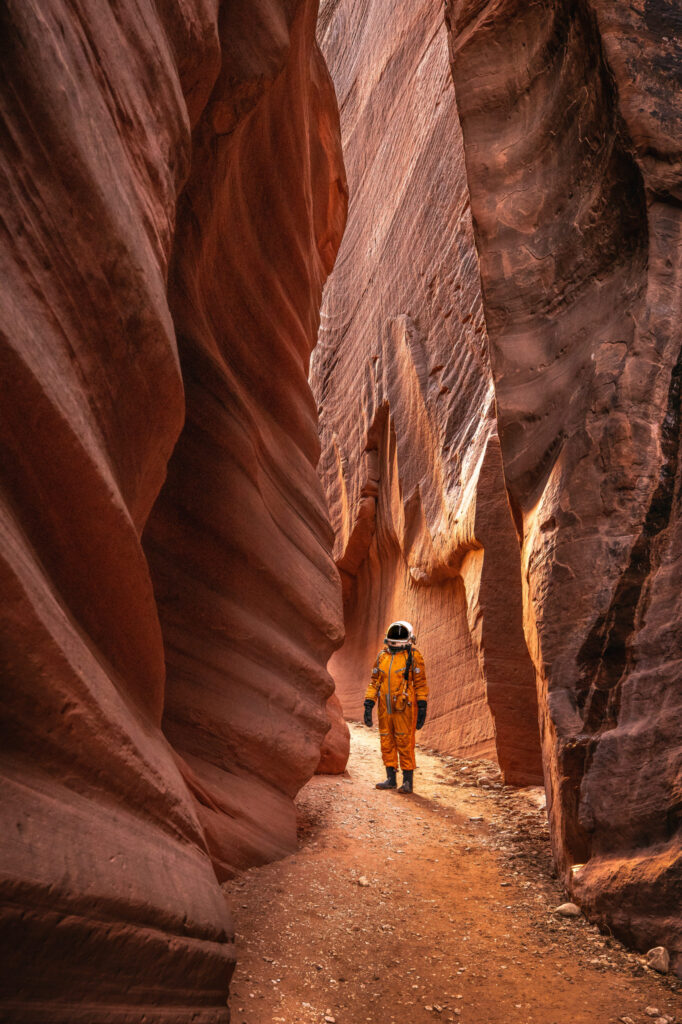
Over the last few years, Studer has been working on his passion project, a series he calls Space to Roam. The photos depict a person in an astronaut suit, wandering around what Studer calls “the ‘otherworldly’ here on planet earth.” He anticipates that the collection will be available for purchase in book form by 2025, and I, for one, can’t wait to have a copy on my coffee table. 

Photo by Andrew Studer. Source: andrewstuder.com

What I love most about his work is that it reminds me that beauty can be found anywhere, and anything can be art. Check out his website for some inspiration of your own, or follow his Instagram for photos from his latest adventures. 

Photo by Andrew Studer. Source: andrewstuder.com
  1. Daniel Casson – Landscape
Photo by Daniel Casson. Source: @dpc_photography_ on Instagram

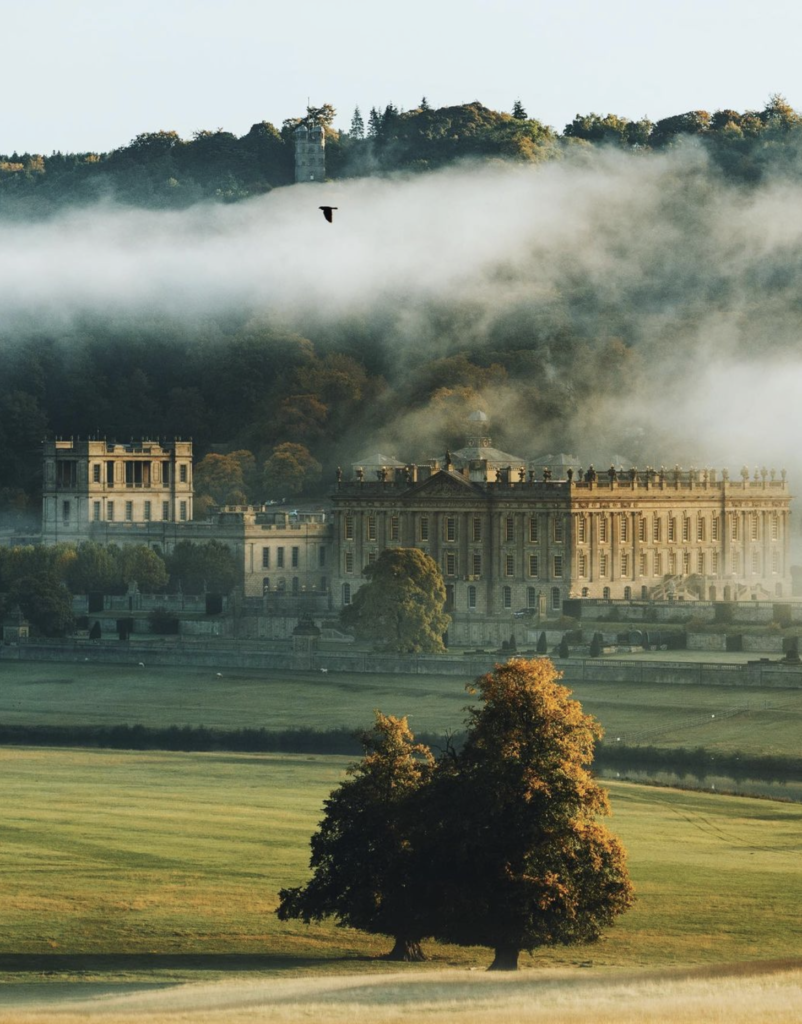
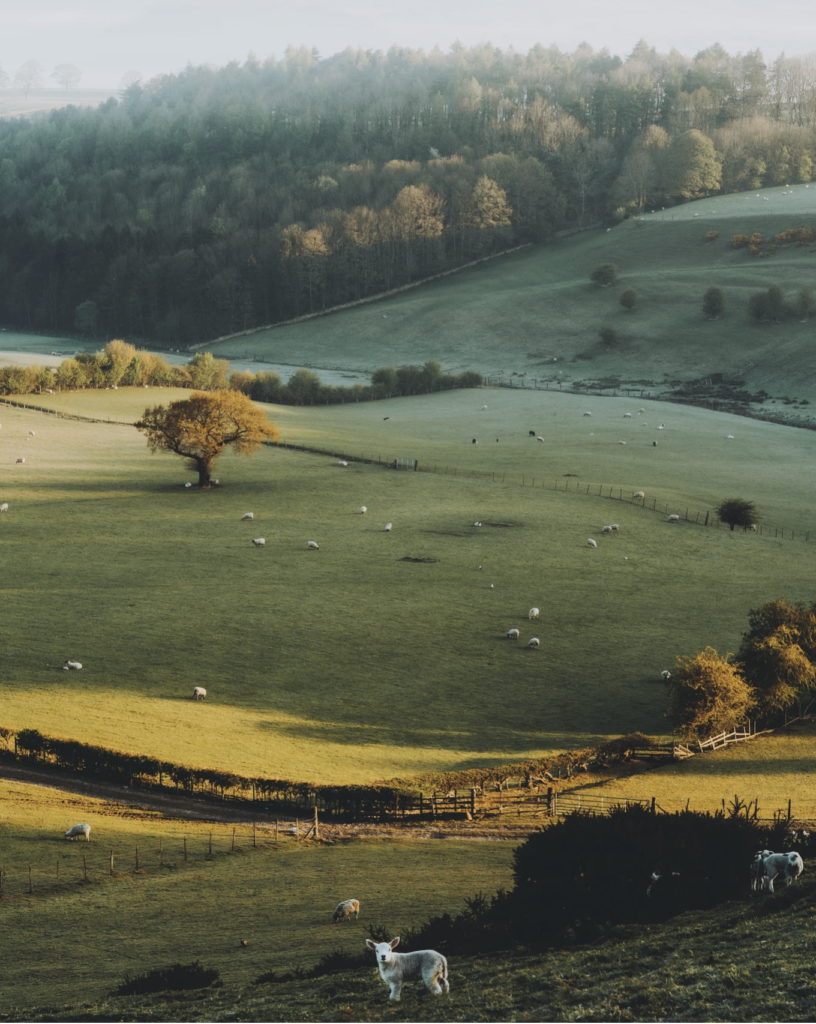
I’ve been following Daniel for over five years now. His photography simultaneously gives me wanderlust and makes me want to curl up with a cup of tea and a blanket. Most of his photos are taken in the UK, where he lives, but his travel photos are always something I look forward to seeing on my feed as well. 

Photo by Daniel Casson. Source: danielcasson.co

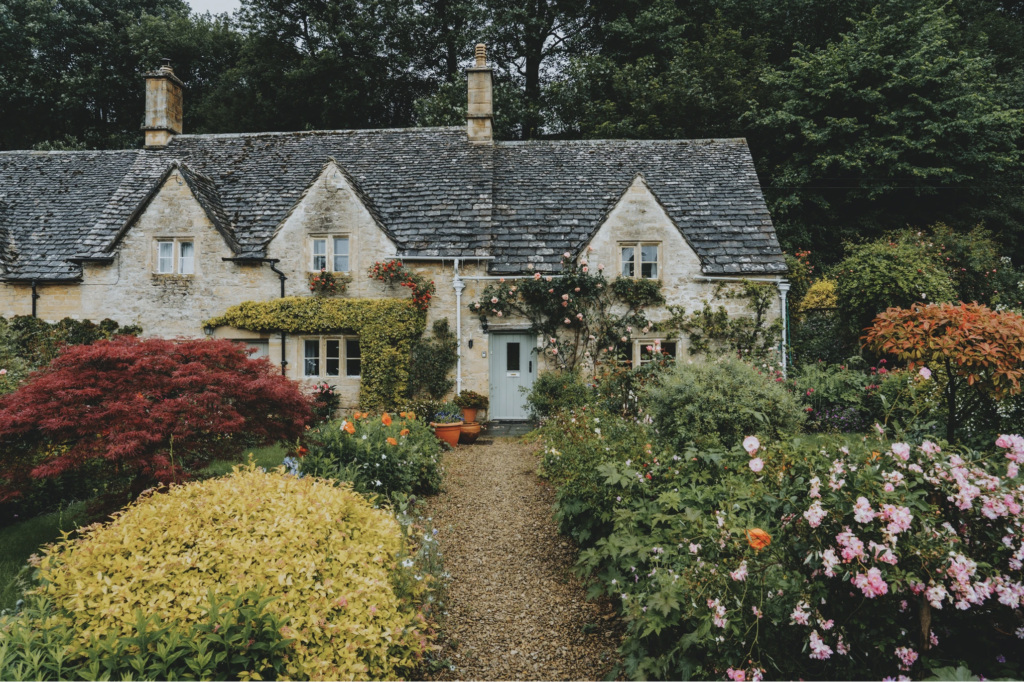
Casson’s landscapes are always gorgeous, but my favourite of his photos are the snapshots of quaint historic homes in the Peak District and throughout the UK. If you love old stone cottages at sunrise and lush green hillsides full of grazing livestock, Casson’s Instagram page is definitely worth a follow. 

Photo by Daniel Casson. Source: danielcasson.co
  1. Nevin Johnson – Landscape 
Photo by Nevin Johnson. Source: @nev.in.color on Instagram

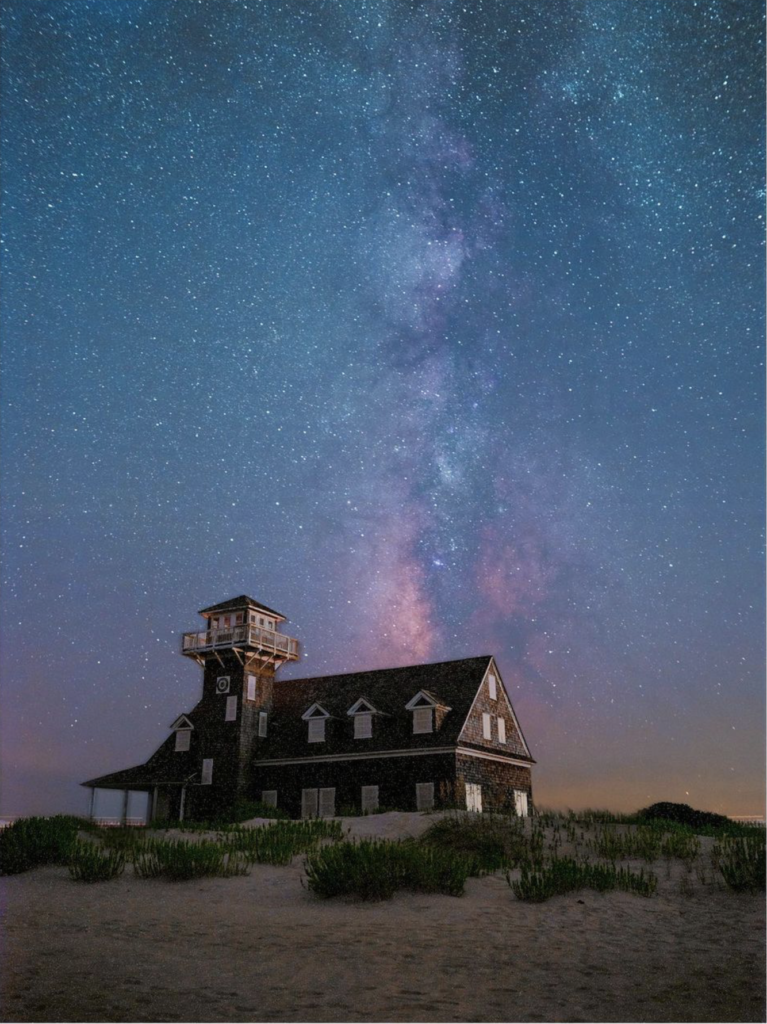
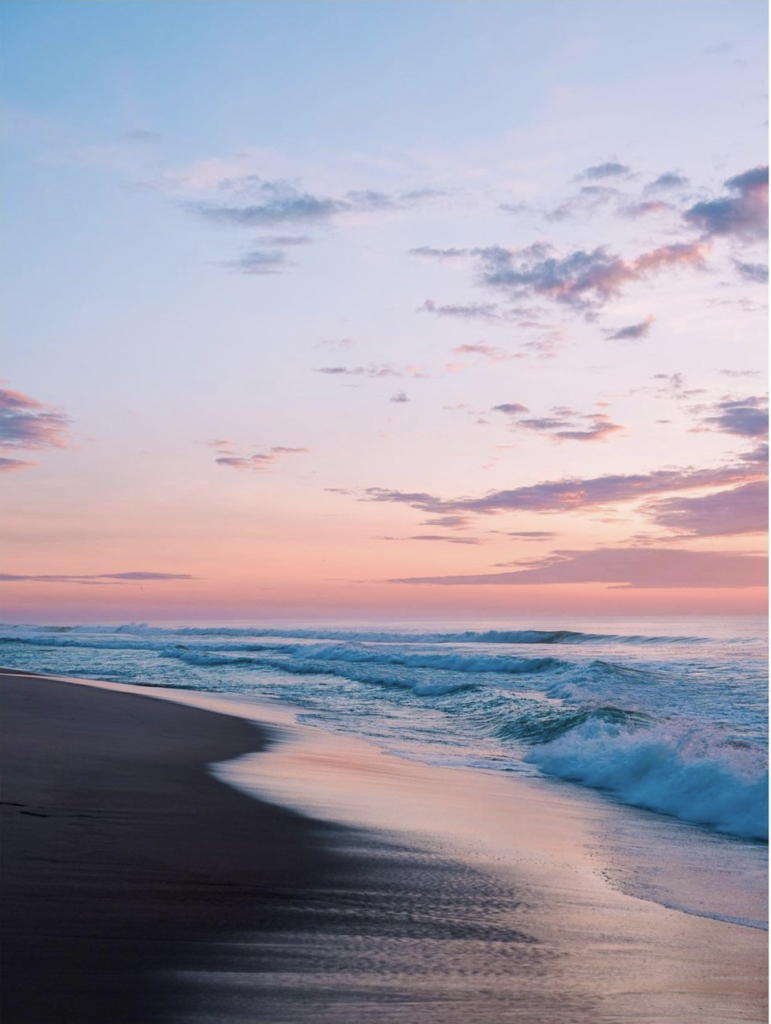
Nevin Johnson is known for his incredible golden hour photography. He almost exclusively shoots on film (a skill I have yet to master), and always manages to capture the most beautiful sunsets and sunrises, no matter where he’s shooting. 

Photo by Nevin Johnson. Source: @nev.in.color on Instagram

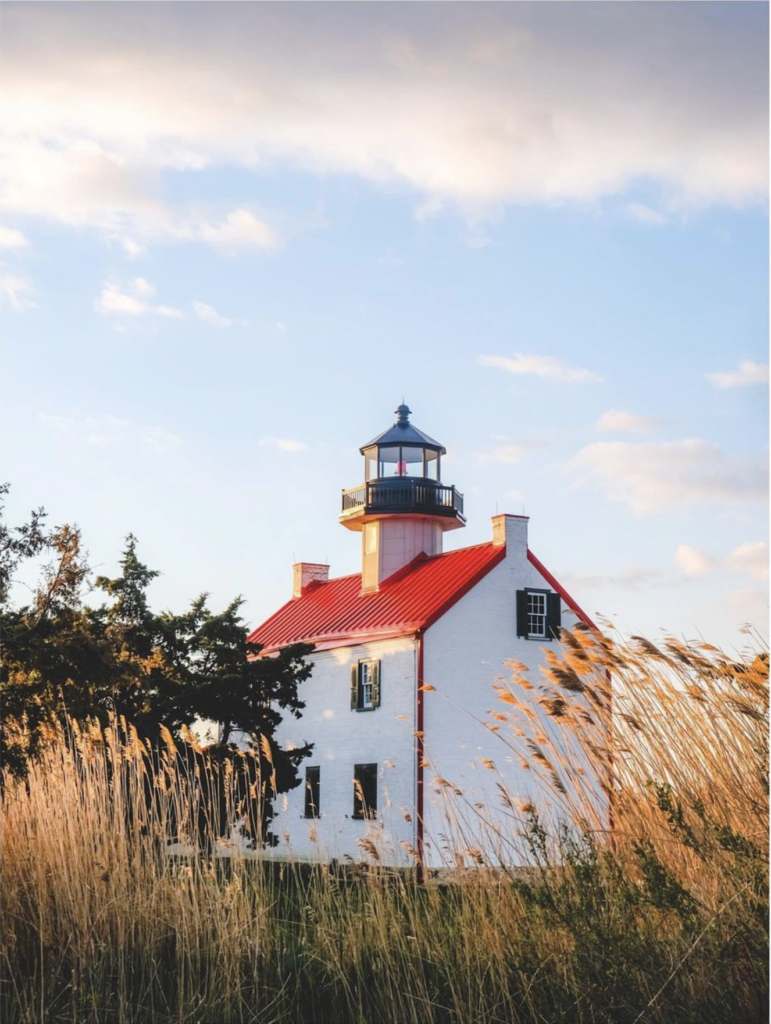
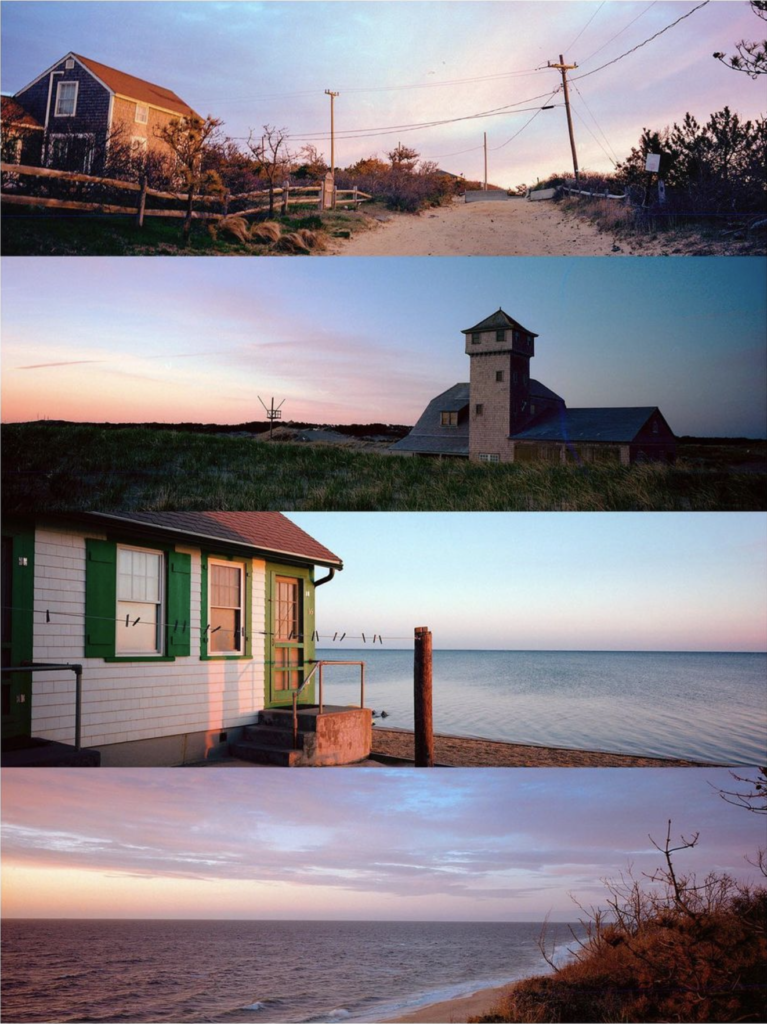
Some of my favourite photos of Johnson’s are those taken along the east coast of the United States. His beachside shots from Cape Cod and the Outer Banks look almost too perfect and serene to be real. 

Photos by Nevin Johnson. Source: @nev.in.color on Instagram

The way he’s able to capture that fleeting early morning and late evening light (almost) makes me want to pick up my dad’s old camera and give film photography a shot, but I’ll stick to my trusty Nikon DSLR for now, and keep chasing sunsets with the gear I’ve got. 

Photo by Nevin Johnson. Source: @nev.in.color on Instagram
  1. Mark Blinch – Sports
Photo by Mark Blinch. Source: markblinch.com

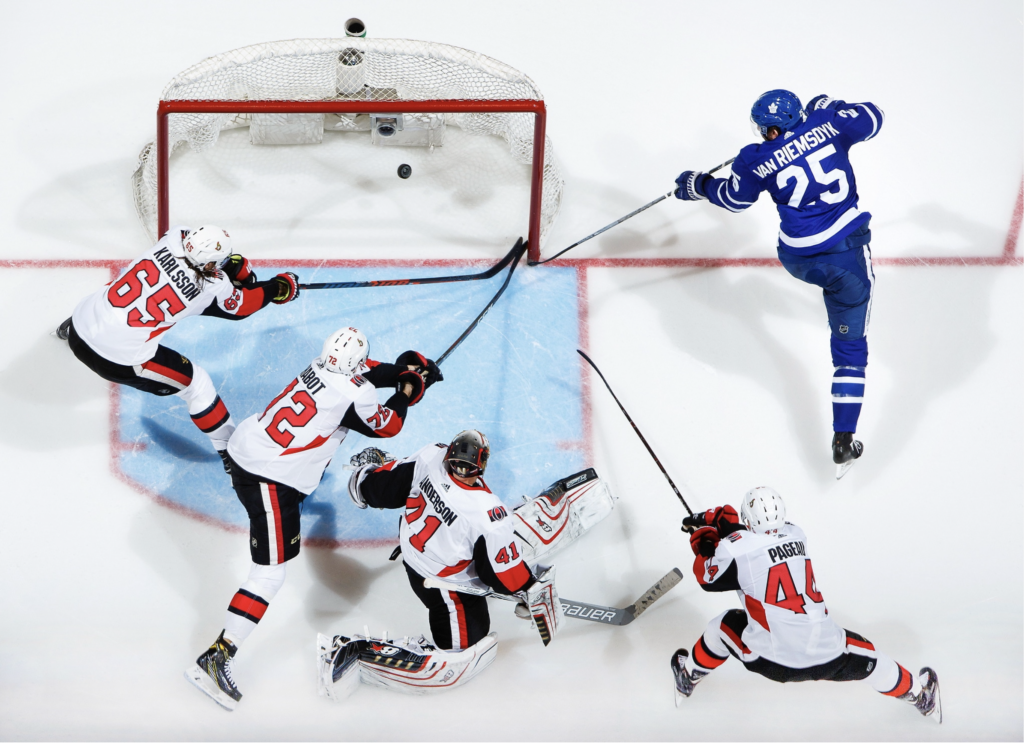
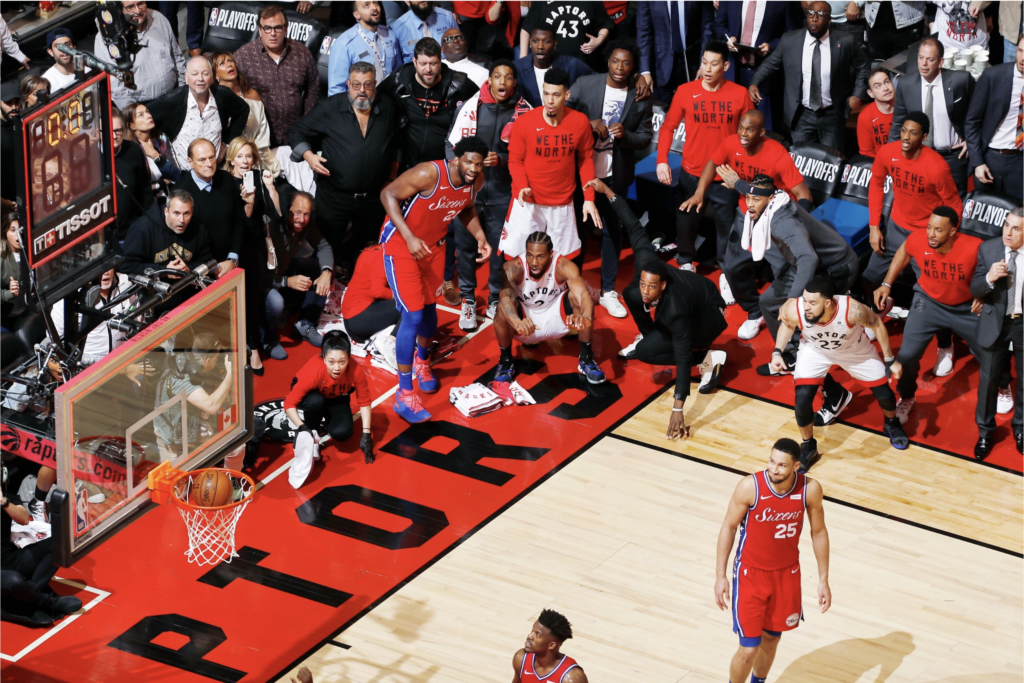
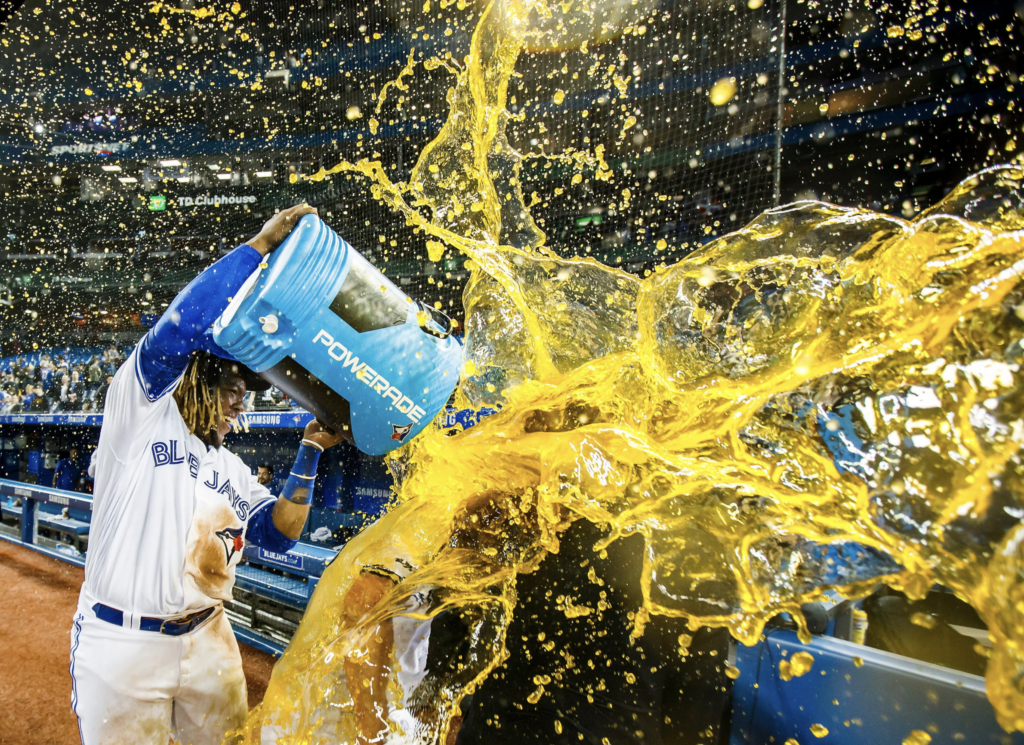
Mark Blinch is one of my all-time favourite photographers, and not just because he’s from Toronto. His work single-handedly drove my interest in sports (yes, photography made me like sports). Blinch is a photographer for the Toronto Raptors, the Toronto Maple Leafs, the Toronto Blue Jays, and Team Canada. He has won several awards, including the 2019 World Press Photo in the Sports Singles category for this photo of Kawhi Leonard’s game-winning shot in a 2019 NBA playoff series. 

Photo by Mark Blinch. Source: markblinch.com

I’ve always been impressed by Blinch’s ability to capture both the action and intense emotion of sporting events so vividly and at the perfect moment. His behind-the-scenes demonstrations of his gear and setups on his Instagram stories will make you appreciate just how much work (and perfect timing) goes into capturing those iconic moments in sports history. 

Photo by Mark Blinch. Source: markblinch.com
  1. Brad Deel – Sports
Photo by Brad Deel. Source: braddeel.com

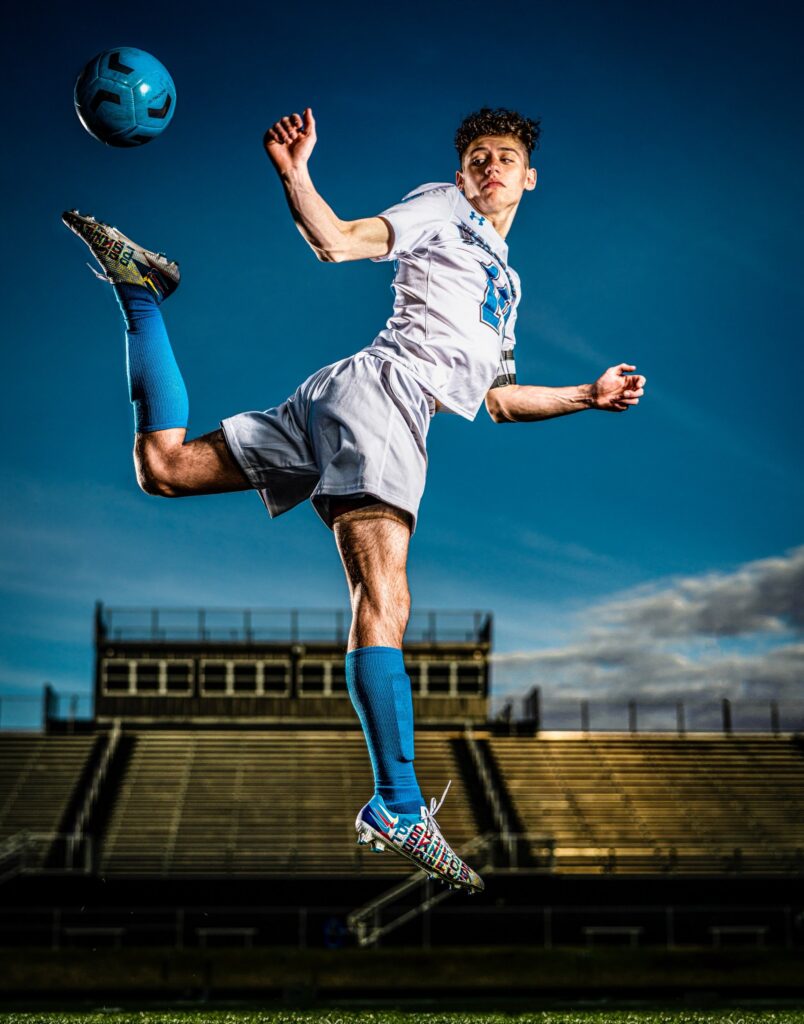
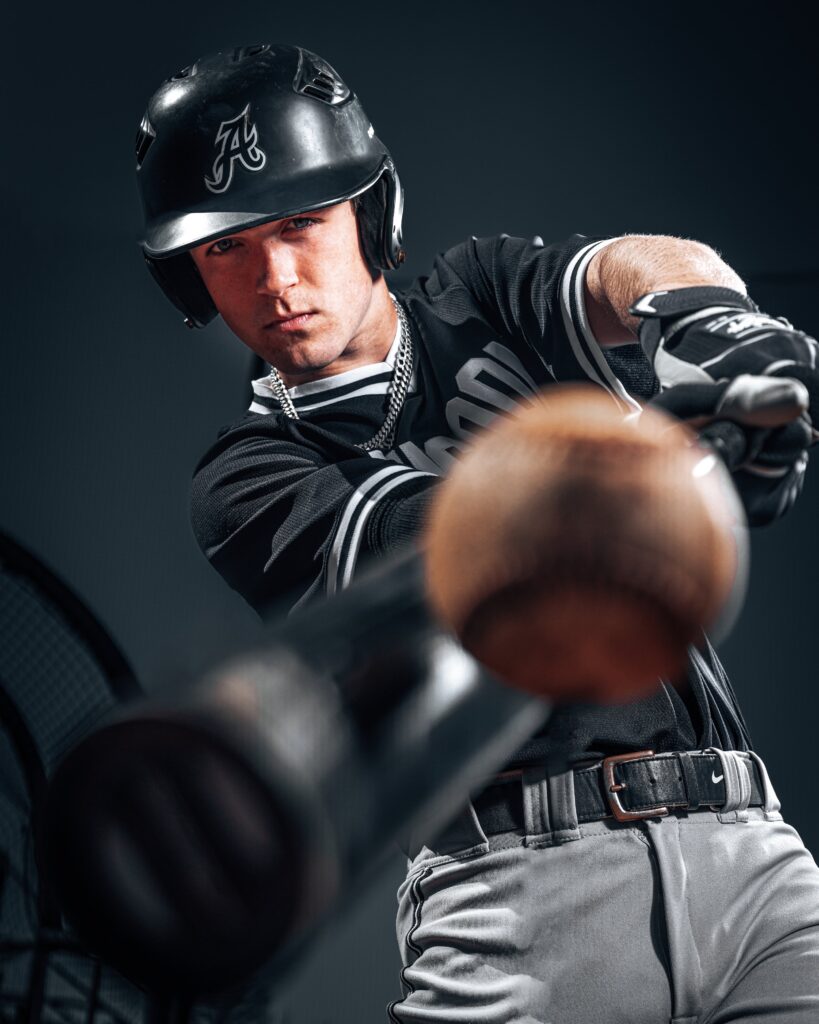
Brad Deel’s work may technically be considered portraiture, but really, his sports photography is so much more than just your team’s average photo day portraits. His shots are always action-packed and perfectly executed, making everyday high school athletes look like they’re gearing up for a Nike endorsement. 

Photo by Brad Deel. Source: braddeel.com

Deel’s creative use of propping, lighting, and vantage points make his shoots compelling and exciting, and he manages to maintain high image quality even when shooting at such high shutter speeds. 

Photo by Brad Deel. Source: braddeel.com

Additionally, Deel’s Instagram page is a great resource for anyone interested in a look behind the scenes of a styled sports photoshoot. He frequently posts reels that demonstrate exactly how he achieves each shot, so that you can try it out for yourself.

Now, I’m not saying you should switch careers if you’ve been doing weddings or family shoots until now. That would be crazy. But it’s certainly tempting to try out some of the types of shoots these amazingly talented photographers are producing. And, if you’re interested in how Nevin Johnson was able to capture that beautiful night sky photo, check back here soon for a post about some of my favourite creative photography techniques!
Six Portrait Photographers to Follow this Fall 

As photographers, we’ve all fallen victim to the comparison game. It’s easy to see someone’s best-of-the-best photos on their highly curated Instagram profiles and think “all of their photos are amazing”, and then doom scroll until we feel like selling all of our equipment and quitting photography entirely. Here’s the thing, though: you don’t see all of their photos. I bet even the best photographers out there have accidentally taken a picture of their feet while they were trying to adjust their shutter speed. Really, they’re just like the rest of us, trying to make a living doing what they love, and sharing what they’re proud of with the world. 

As someone just getting started in the field, I’m trying my best not to compare my work to everything I see online. Instead, I’m looking to those unbelievably talented photographers for inspiration and education. Their work makes mine better, just by existing. So if you’re like me, and want to continue to learn new skills and techniques from the best in the biz, this list is for you.

These are ten of my favourite photographers from various branches of the industry, and there’s guaranteed to be at least one that inspires you, too. Take a look:

  1. Tyler Mitchell – Portrait, Fashion & Editorial
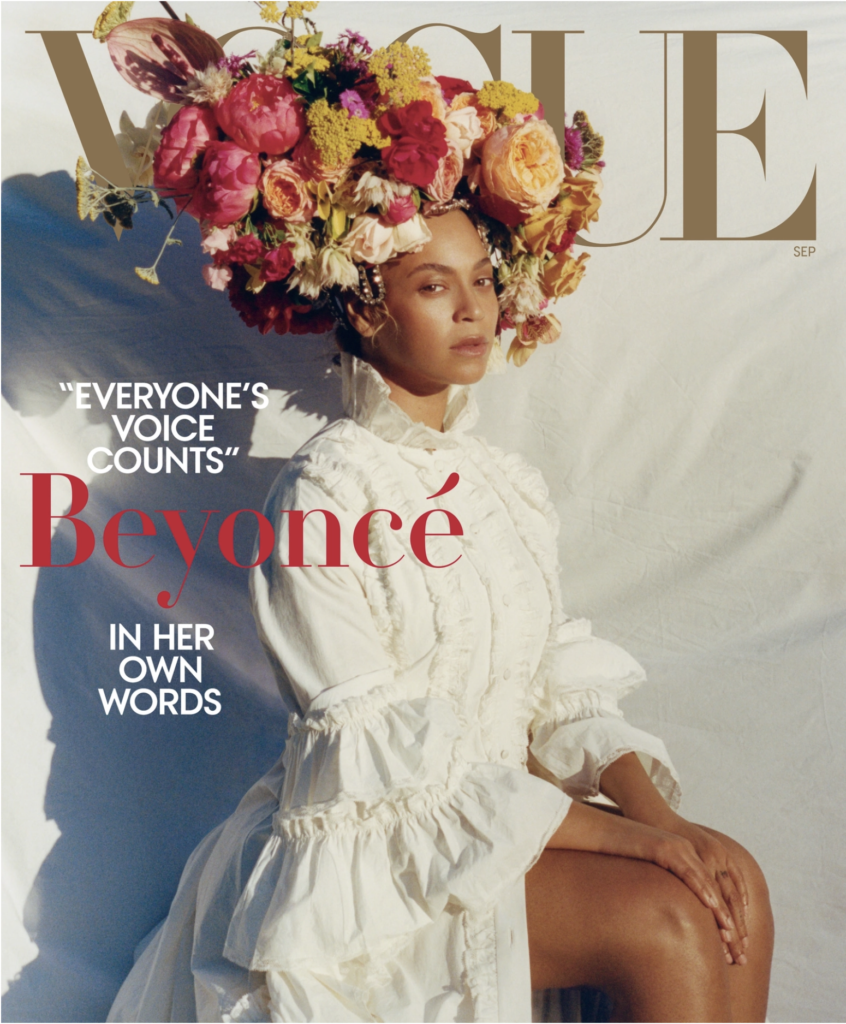
A magazine cover for Vogue US featuring Beyonce sitting in front of a white fabric backdrop, wearing a white dress, with a floral arrangement on her head.
Beyonce for Vogue US, September 2018. Photo by Tyler Mitchell. Source: tylermitchell.co

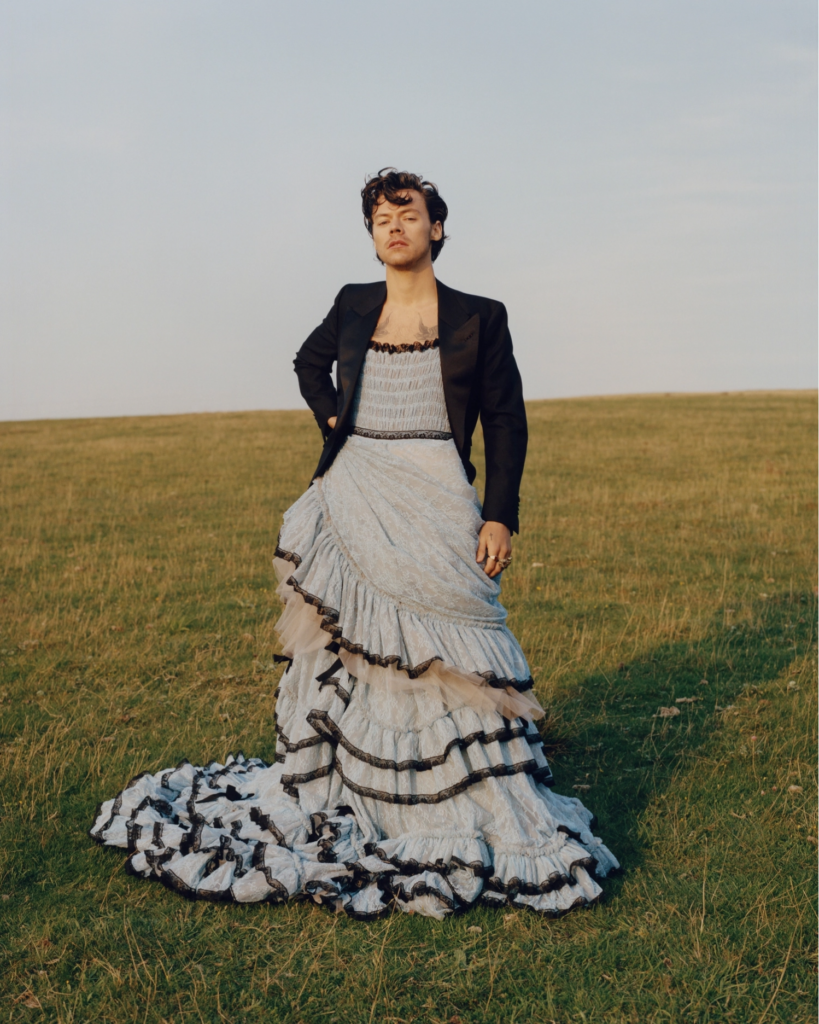
Tyler Mitchell is certainly the most prolific photographer on this list, and there’s a good chance you’ve seen his work if you’ve paid any attention to pop culture this decade. He made history as the first black photographer to shoot a Vogue cover photo in 2018 with the shot of Beyonce above. He was also the photographer behind the photo of Harry Styles in a dress that made a bunch of old white men angry.

Portrait of Harry Styles. A man with light skin, brown hair, and chest tattoos, wearing a light blue floor-length gown and a dark blazer, standing in an empty field.
Harry Styles for Vogue US. Photo by Tyler Mitchell. Source: tylermitchell.co

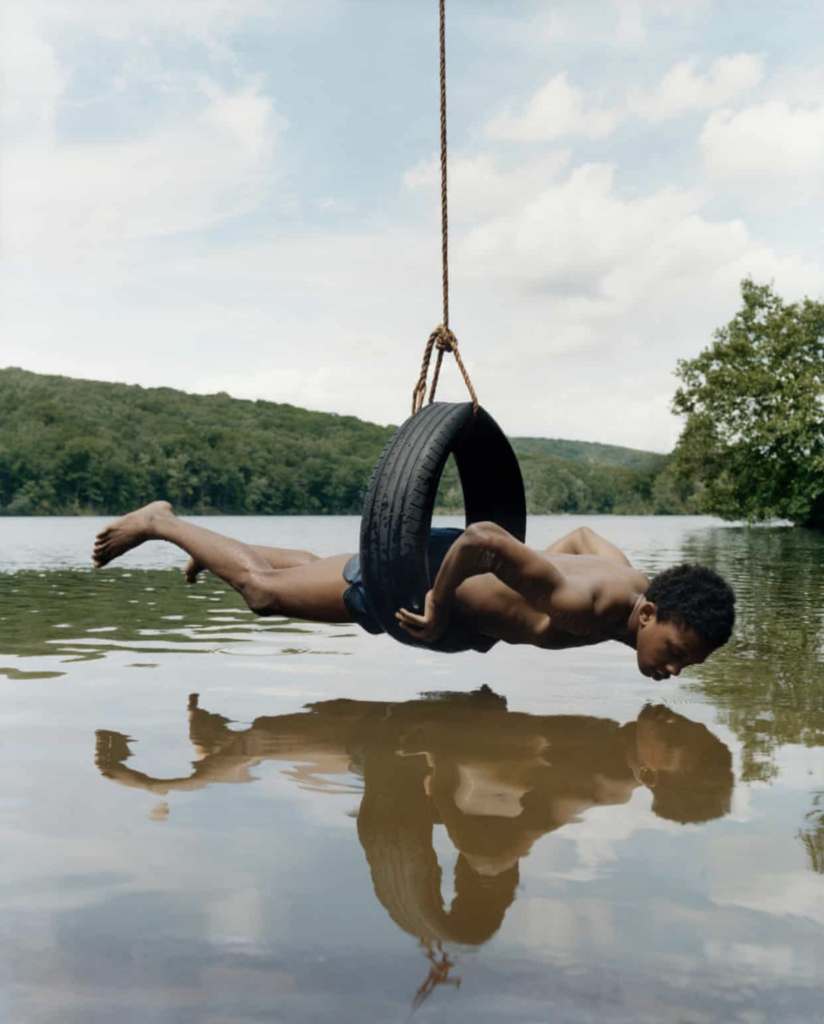
But some of Mitchell’s best work is his editorial portraiture, which “introduces new narratives about Black beauty and desire, [and] emphasizes empowerment, play and self determination.” His website is a great source of inspiration, and his Masterclass workshop is a great resource for photographers of any skill level.  

A young black man in a tire swing suspended over a lake, looking into his own reflection.
“A Glint Of Possibility”(2022). Photo by Tyler Mitchell. Source: tylermitchell.co
  1. Michael Betzner – Portrait & Editorial
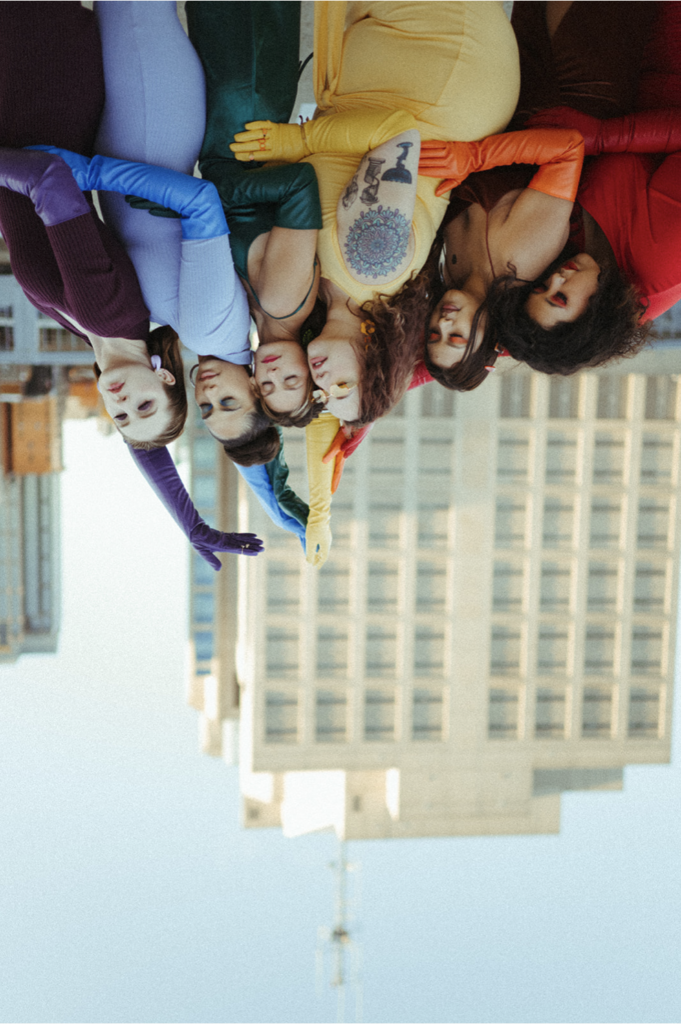
an upside-down photograph of six women, each dressed in a different colour of the rainbow, leaning on each other and extending their arms toward the sky. There is a tall office building in the background.
From the “Rainbow” series. Photo by Michael Betzner. Source: michaelbetznerphotography.com

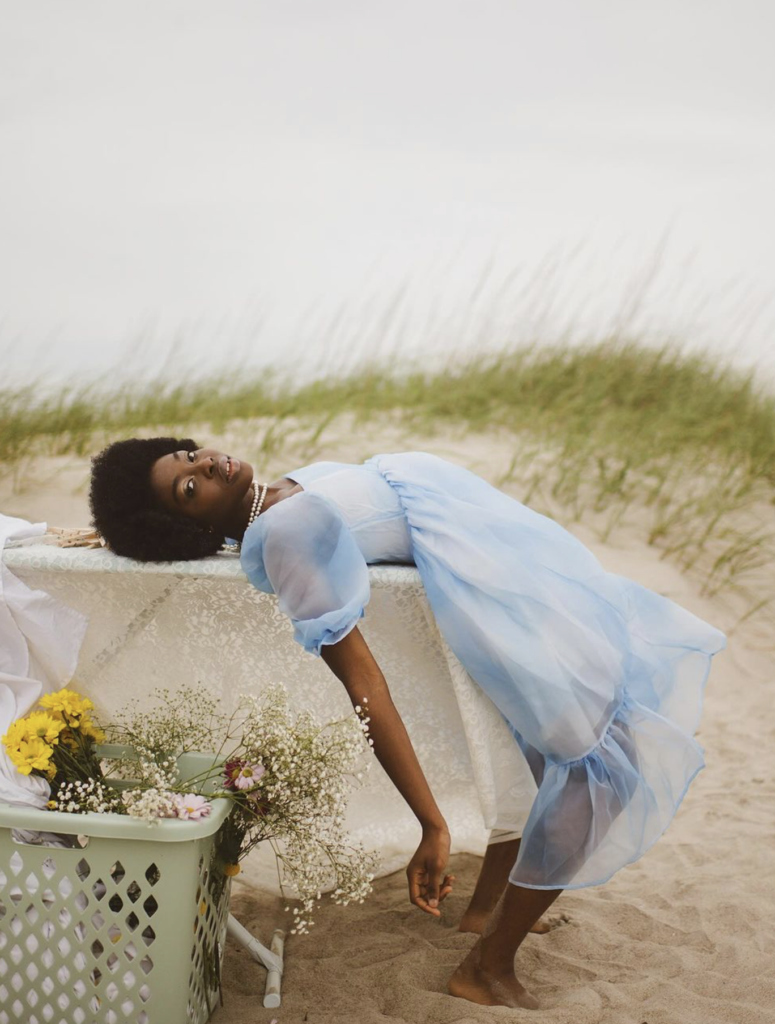
I only recently discovered Michael Betzner’s work through Instagram, and immediately hit the follow button. In addition to composing gorgeous, compelling editorial shoots, Betzner educates and inspires other photographers with his behind the scenes reels and TikToks so that his followers can recreate his shoots (even on a tight budget). His Instagram is a must-follow for anyone who wants to get a little more creative, but doesn’t know where to start. 

A woman with dark skin and dark hair, wearing a light blue dress, bent backwards over an ironing board that is set up on a beach. There is a laundry bin with flowers in it placed next to her.
Photo by Michael Betzner. Source: @michael_betznerphotography on Instagram
  1. Kir Tuben – Weddings 
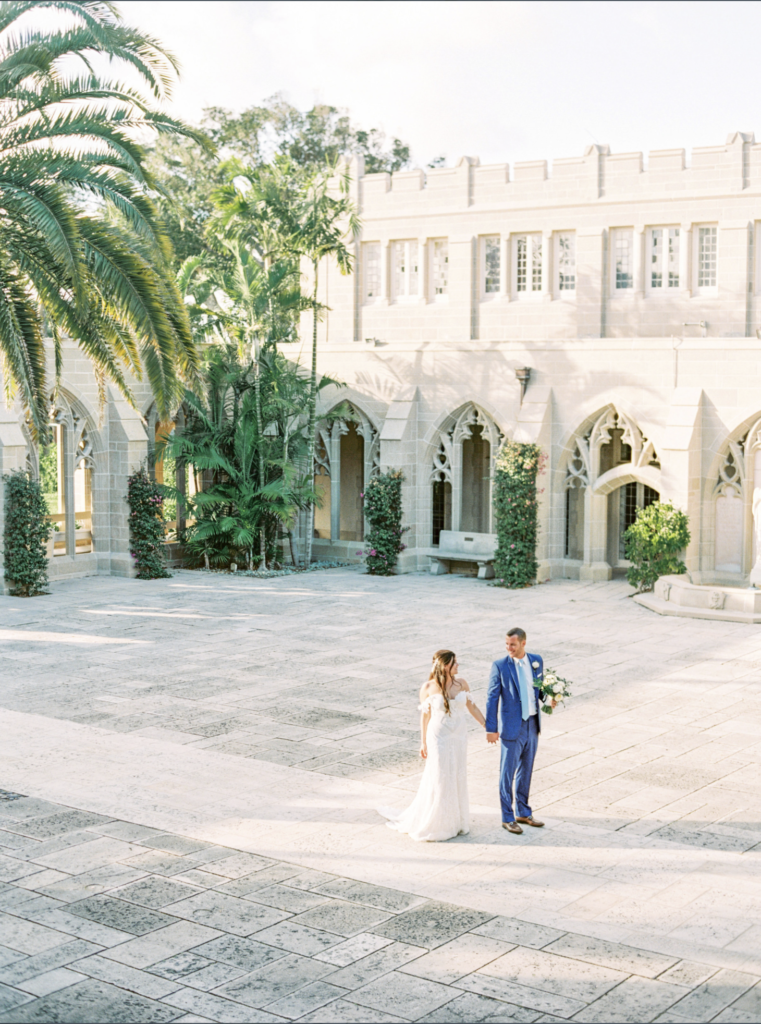
A wide shot of a couple in wedding attire holding hands in the courtyard of an old stone church, with palm trees around the perimeter.
Photo by Kir Tuben. Source: kir2ben.com

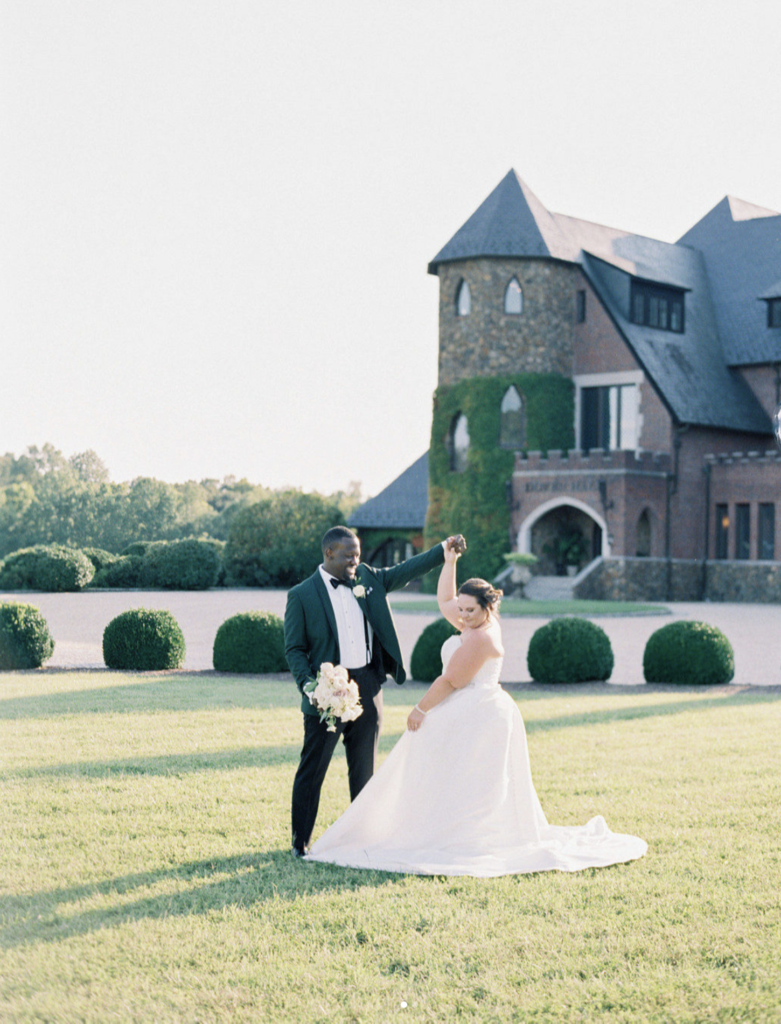
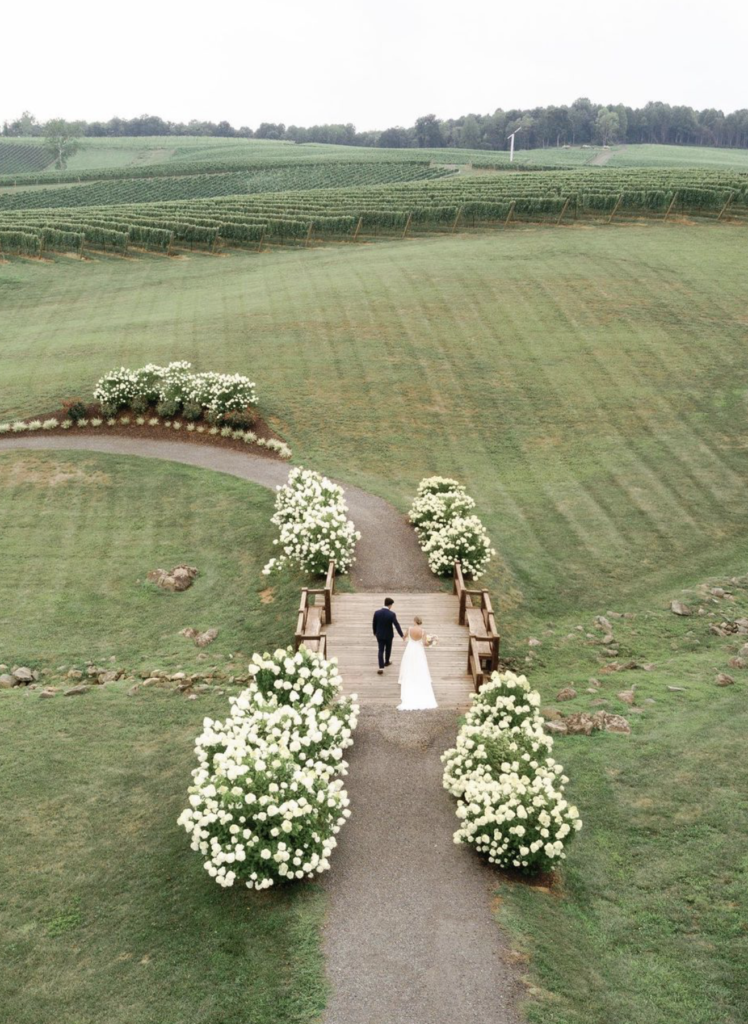
I’ve been following DC luxury wedding photographer Kir Tuben and her team for as long as I can remember, and always dreamed I’d one day hire her to shoot my own wedding. Her bright and airy editing makes every wedding she shoots look like it came straight out of a fairytale with a guaranteed happily-ever-after. It’s no wonder her photos have been featured by the Knot countless times.

A couple in wedding attire outside of a large red brick estate. The man is twirling his bride on the lawn.
Photo by Kir Tuben, featured by the Knot. Source: @theknot on Instagram

Beyond her impressive Instagram feed, Kir works hard maintaining her company’s blog, which features stories from several of the weddings and engagements she shoots, and the full galleries from the event. So if you’re like me and stay up all night before a shoot worrying that you don’t have enough poses lined up for your couple the next day, look no further than Tuben’s blog. 

An aerial shot of a couple in wedding attire, holding hands and crossing a wooden bridge. There is a vineyard in the distance.
Photo by Kir Tuben. Source: @kir2ben on Instagram
  1. Macy Spencer – Weddings & Elopements
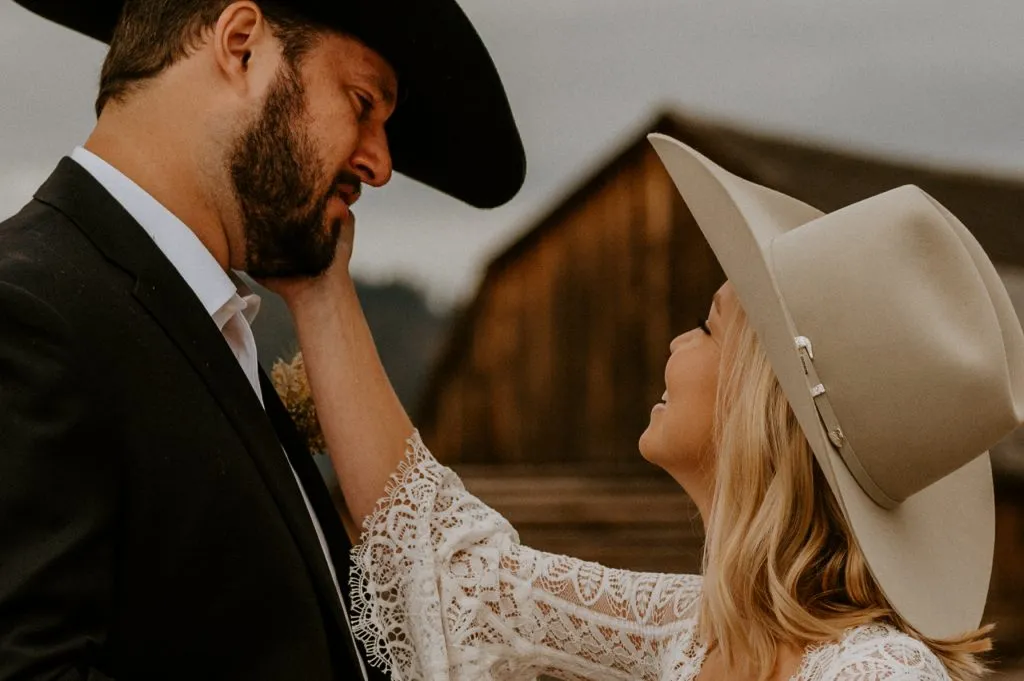
A man with a dark beard, wearing a suit and a black cowboy hat, and his wife, who has long blonde hair and is wearing a lace wedding dress and beige cowboy hat. The wife has her hand on her husband's cheek, and he appears to be crying.
Photo by Macy Spencer. Source: macyspencerphotography.com

Macy Spencer’s earthy, vintage style wedding and elopement photography is a stark contrast to Kir Tuben’s light and airy editing, but equally as beautiful. This Montana photographer really leans into that warm and rustic Western aesthetic, with lots of rich earth tones and some added grain on all of her photos.

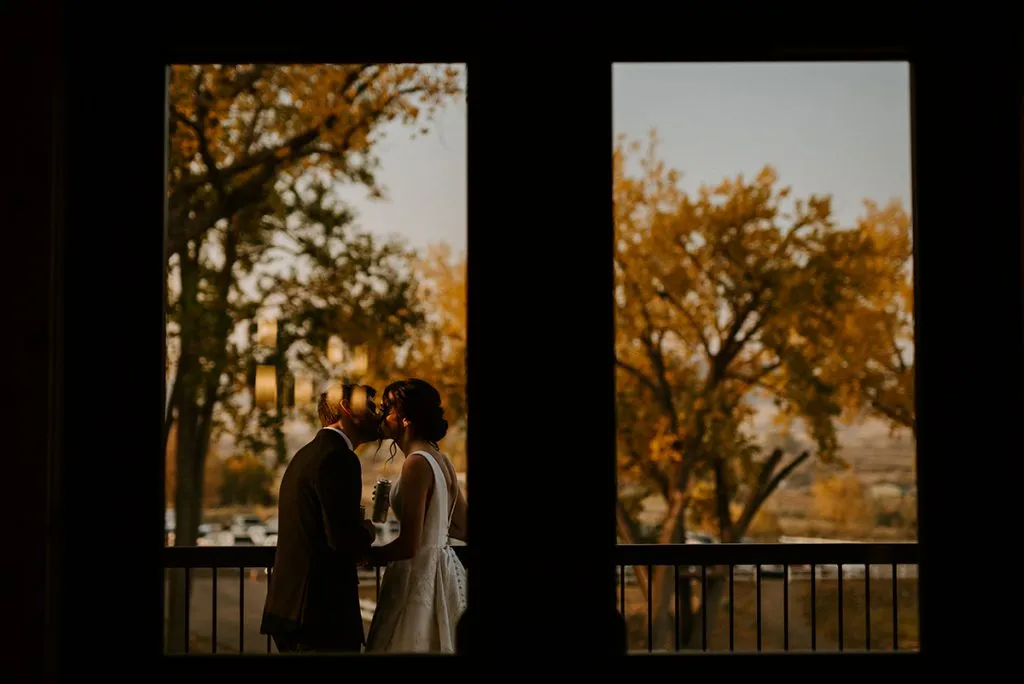
A newlywed couple shares a kiss on a balcony. The photo is shot through a window, framing the scene.
Photo by Macy Spencer. Source: macyspencerphotography.com

What I love most about her work is that it doesn’t feel pretentious or stiff in any way. While I’m certainly inspired by and enamoured with her work, what draws me most to Spencer’s profile again and again is how much her personality shows through her online presence. Her Instagram profile is a great one to check out if you’re looking for a really great example of strong personal branding. 

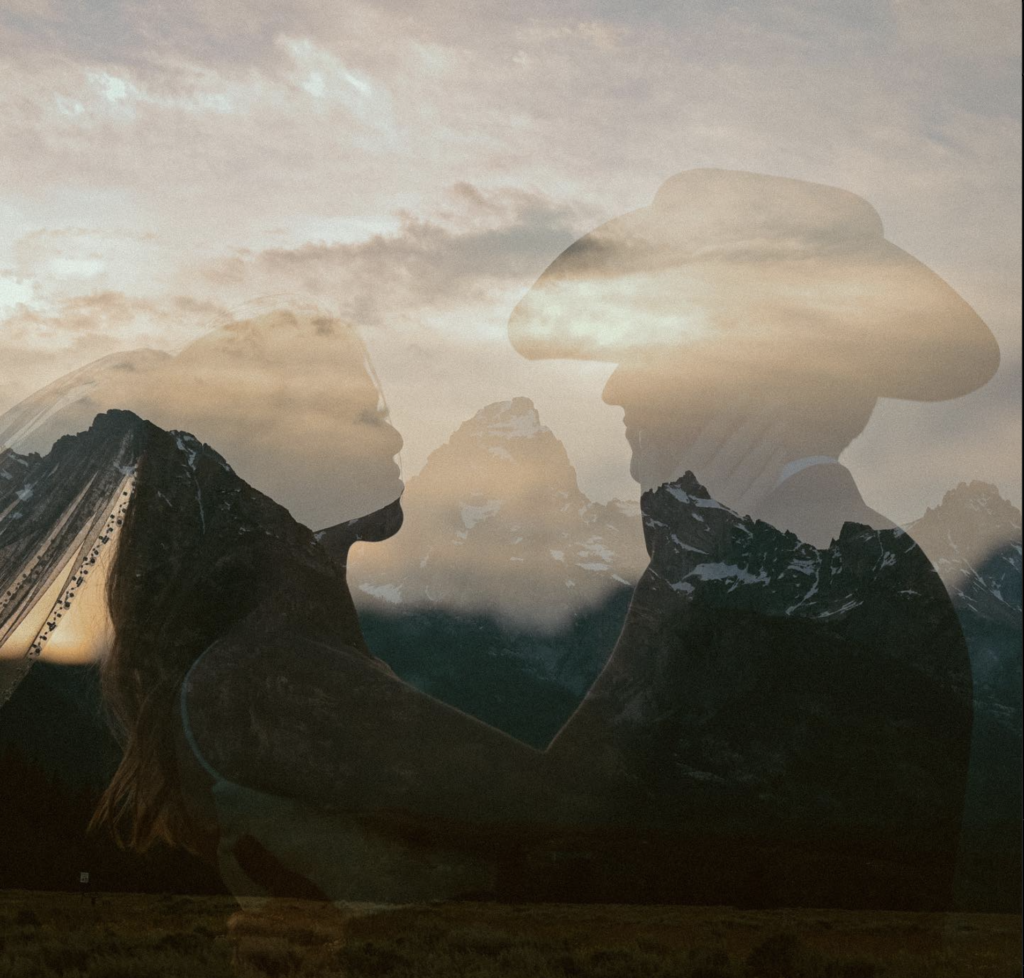
A double-exposure photo, with a mountain range overlaid on an image of a couple in wedding attire embracing each other.
Photo by Macy Spencer. Source: @macyspencerphotography on Instagram
  1. KayLa Ruiz – Intimate Couples’ Portraiture & Boudoir
A woman with light skin and red hair, laying on the ground, with a white snake on her face covering her eyes.
Photo by KayLa Ruiz. Source: KayLa Ruiz on Facebook

KayLa Ruiz’s work is some of my absolute favourite portraiture for so many reasons. Her moody, rich editing is the perfect style for the kind of content she’s creating, and her shoots are always so clearly full of passion and fun. It’s so clear just from looking at her portfolio that Ruiz really excels at making her clients feel comfortable and confident, even when they’re complete strangers.

A man with light skin and several tattoos sits on the floor, leaning against a bed. A woman with light skin and dark hair, with tattoos on her arm, lay draped across the bed.
Stranger Session photo by KayLa Ruiz. Source: KayLa Ruiz on Facebook

That’s right, some of her couples have never met. Ruiz’s Stranger Sessions series is the coolest content creation strategy I’ve ever seen from a photographer. She accepts applications from her followers (essentially a matchmaking questionnaire), and then pairs up two strangers for a steamy couples’ boudoir session. The results go way beyond some amazing content for her portfolio; some of her stranger session couples are now married!
A couple with dark skin, both wearing green undergarments, sitting on the floor in front of a white bathtub.
Photo by KayLa Ruiz. Source: KayLa Ruiz on Facebook

If you need some content for your portfolio but aren’t ready to charge clients for your work, consider a stranger session or model call and just have fun with it! You may end up being hired to shoot their wedding someday.

  1. Dylan Fox – Intimate Couples’ Portraiture & Lifestyle 
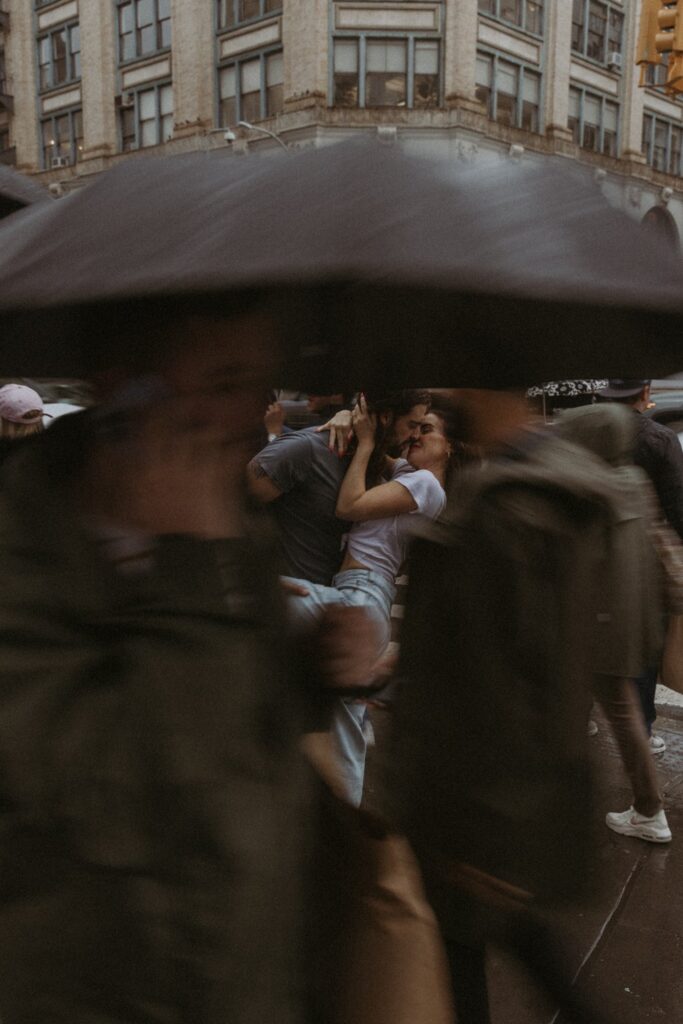
A photo of an embracing couple, seen through the blur of people moving through the foreground of the photo.
Photo by Dylan Fox. Source: foxtog.com

As a new photographer, I can confidently say that most of the learning you do about shooting comes from actually doing it, and you really never stop. I love the way Dylan Fox captures such casual intimacy in his shoots, and I would love to one day branch out more into those kinds of sessions.

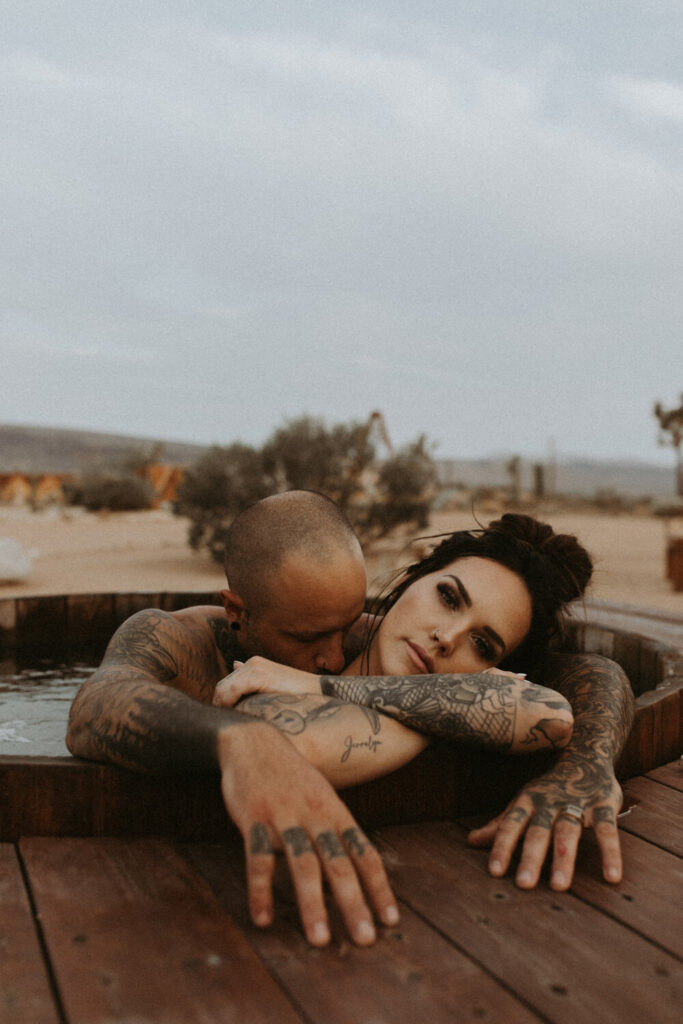
A couple, both with light skin and lots of tattoos, sitting in a hot tub in the desert. The man is kissing the woman's shoulder.
Photo by Dylan Fox. Source: foxtog.com

If you’ve ever seen someone else’s work and thought “I would love to be a fly on the wall for one of their sessions”, then you’ve come to the right place. Not only does Fox offer mentorship packages and online coaching sessions, he also organises workshops a few times a year so that you can learn from and shoot with him. The best part – the trips are always somewhere gorgeous like Bali or The Tetons, so you get a picturesque vacation out of it too! You can sign up (or just dream about it for a bit like I do) on his website.

Two women, with tan skin and dark hair, hugging and kissing on a beach at sunset. There is a flock of birds flying behind them.
Photo by Dylan Fox. Source: @dylanfox on Instagram

I hope this list has given you some inspiration for your next portraiture project, whatever it may be. Don’t forget to check back regularly for more posts about my favourite photographers, photography tips, and discussions about getting started in the photography industry. Also, make sure to check out each of the photographers on this list, by clicking any of the links in this post!