Breaking into any industry is a terrifying endeavour, but when you’ve had to learn on the job and may not have had any formal education in your field, the task can feel impossible. As a new photographer, I’ve often felt the effects of imposter syndrome and wondered when – or if – those feelings would ever go away. In an article for the New Yorker, Jill Stoddard writes, “We worry the most where we care.” That is to say, if you’re feeling like you’re not good enough or don’t deserve to be here, it’s probably because you care a whole lot about doing something well. I’ve been working on building my confidence as a photographer this year, and here’s some of what I’ve learned along the way that’s helped me get closer to finding my place in this industry.
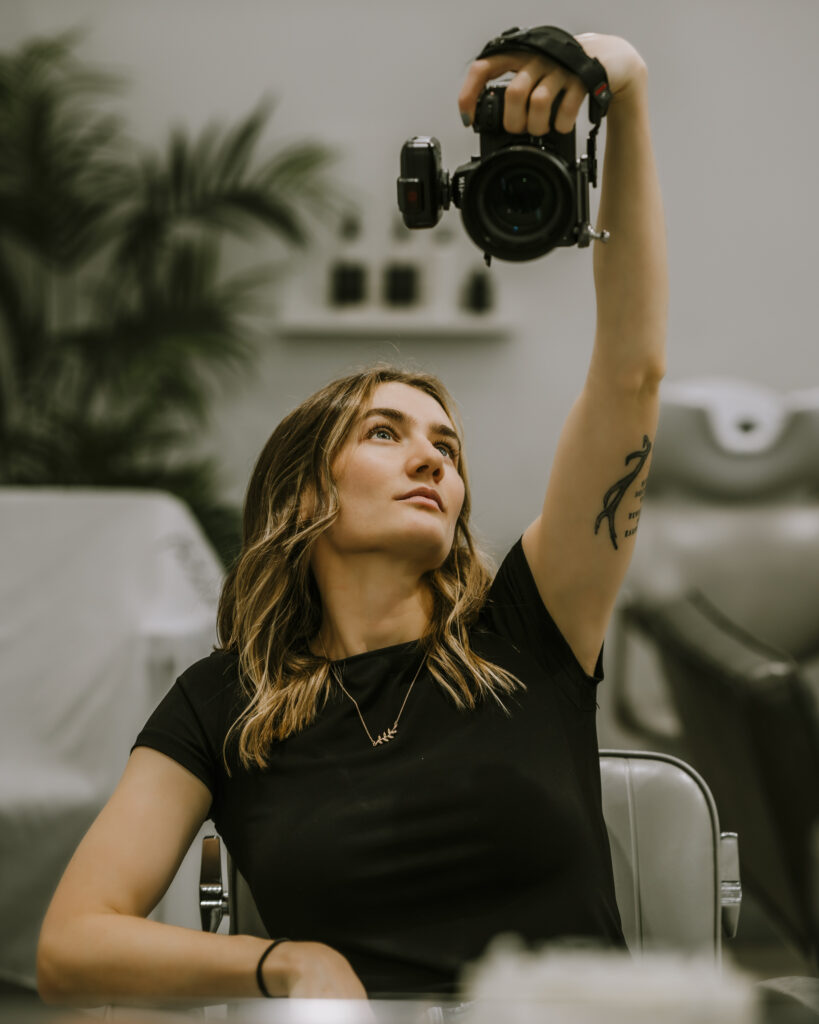
- Fake it ‘til you make it. Or, in other words, build your brand
Building your online portfolio can go a long way toward making you feel like you’ve earned your job title. It’s hard to discredit your own skill when the fruits of your labour are right there on your Instagram page. If you’re not ready to start offering sessions to clients, you can opt to do content days with other photographers or models looking to collaborate without any kind of monetary exchange. Alternatively, getting your friends and family to model for styled shoots is a great low-stress way to build your portfolio.
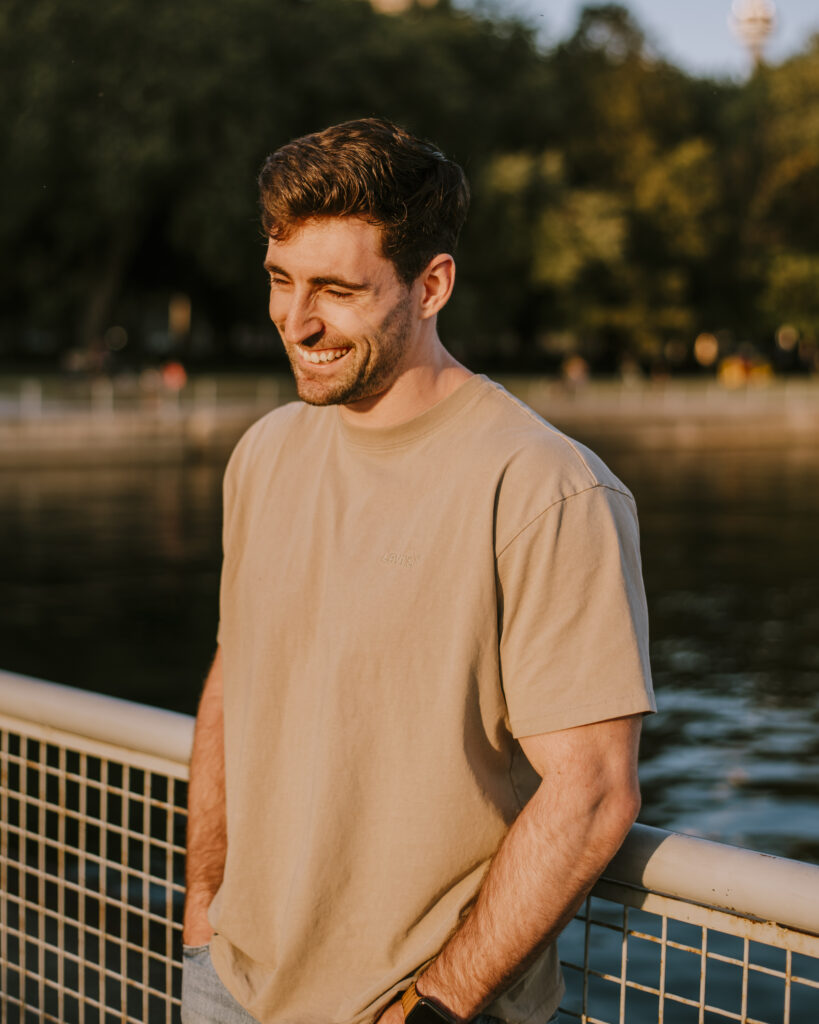
And don’t forget about engagement! A few minutes a day of interacting with your followers and other photographers can go a long way toward networking and building your client base. People want to work with someone that’s outgoing and friendly. Remember, clients see your online persona as a direct reflection of who you are as a photographer, so don’t be afraid to show off your fantastic personality!
- Know your worth
This has been a big one for me, and it’s not an easy thing to navigate. While I do believe that it can be extremely useful to offer free shoots to friends or even strangers when you’re starting out, it’s important to set limits for yourself. Be careful not to let people take advantage of you and your time. Your time and effort are worth something, and you deserve to be compensated for your work.
Once you’ve got a few sessions under your belt, it’s completely reasonable to start charging for shoots. If you’re still unsure, start low. You can always raise your prices later. I’d recommend joining a facebook group for photographers in your area (most cities have them), and asking around to see what other photographers’ rates are.
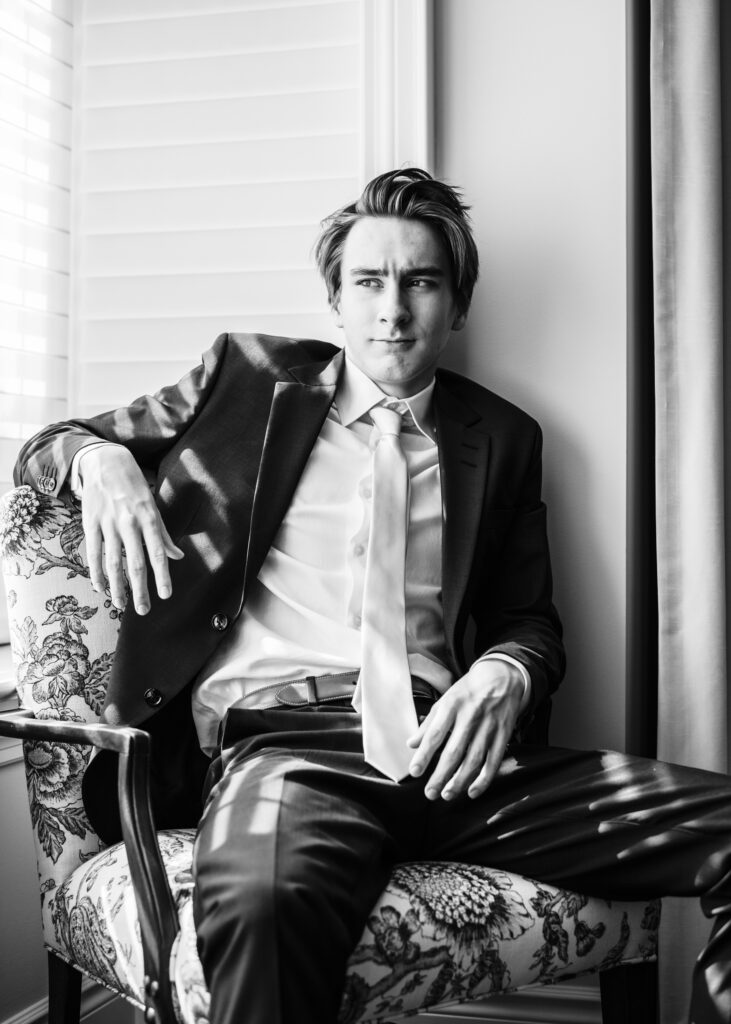
- Your gear is the least impressive thing about you
When I was first learning photography, I thought that I needed a bunch of high-end lenses and gear so that I could take great photos. I’ve since learned that some of my best work has come from improvising when I don’t have all the equipment I want on hand. If you don’t have a speedlight, you can use a flashlight (okay, this only works sometimes). If you don’t have coloured gels for your lighting, use cellophane. And if you don’t have light stands, clamps, or backdrops, hit the dollar store for some duct tape and a white table cloth, and make the setup yourself.
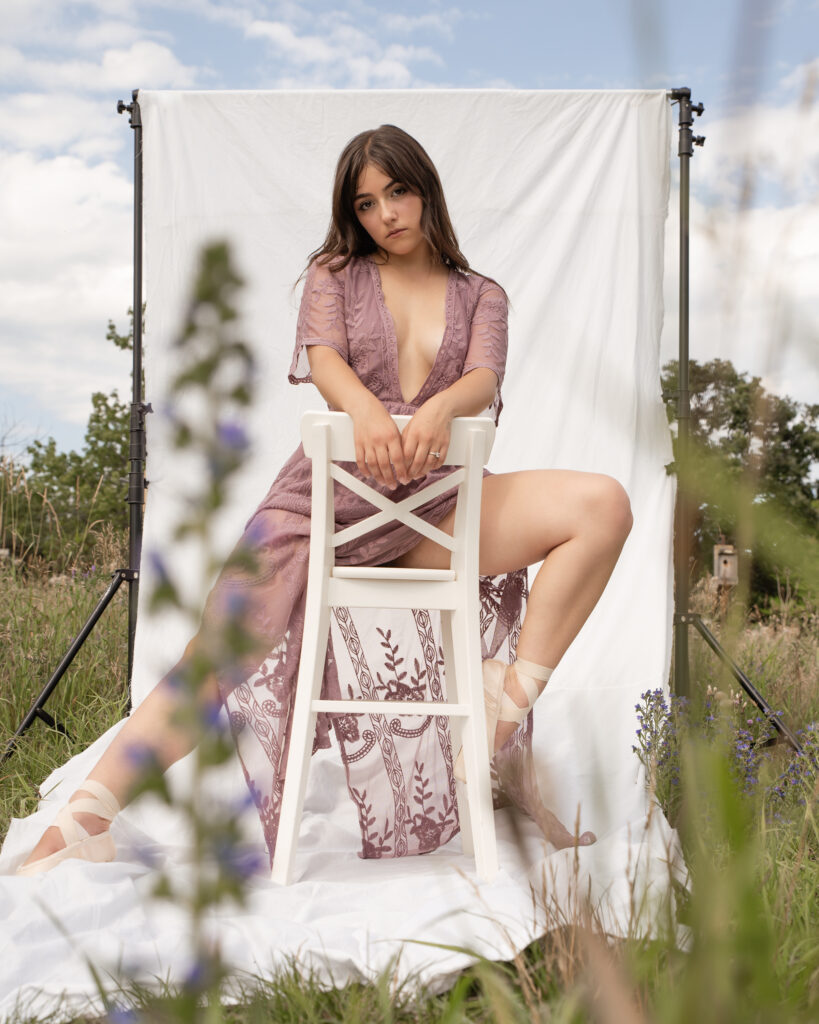
They say that the best camera is the one you have on you, and it’s true. The most important thing you can do as a new photographer is practice. Hone your skills and master the settings on the camera you have, and the confidence and accolades will follow in due time. You’ve got this!